

Here are my picks for the best matcha powders, whether you enjoy it whisked on its own, blended into lattes, or used in baked goods. You’ll also find tips on what to look for when choosing the right matcha for your needs.
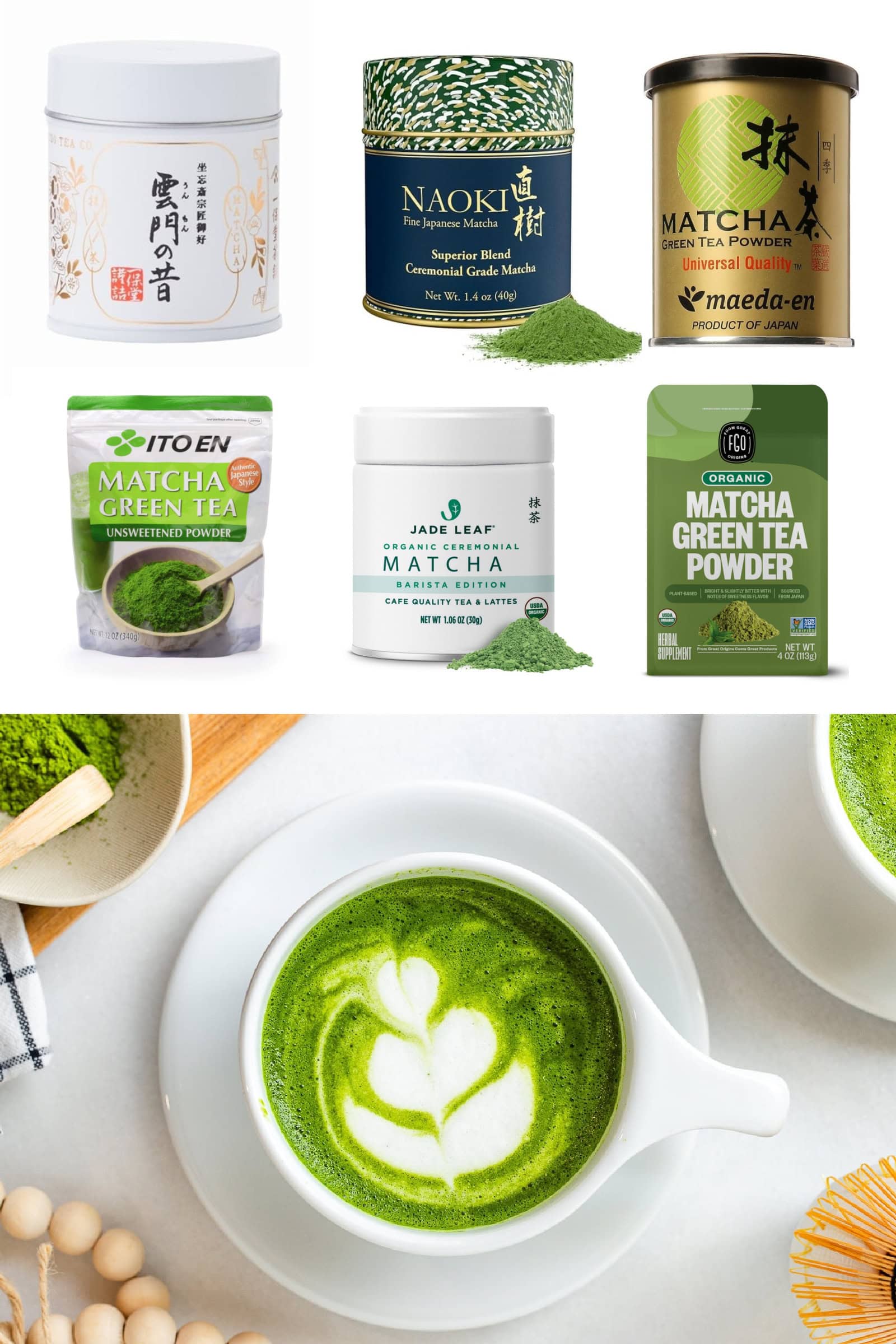
Quick Overview
If you’re looking to buy matcha online, the choices can feel overwhelming. From ceremonial to culinary grades, single-origin to blended, and budget-friendly to premium tins, not all matcha powders are created equal.
I grew up in Japan, where matcha has long been part of everyday life. That experience—along with years of tasting and cooking with different matcha powders—has taught me what truly matters when choosing a good one.
In this guide, I’m sharing my favorite matcha powders you can buy online, chosen for their quality, balanced flavor, and consistency.

Nami’s Tips on Buying Matcha Powder
Before diving into the reviews, here are a few key tips to help you choose the right matcha:
- Pay attention to the source: High-quality matcha is produced in Japan, especially in regions like Kyoto, Shizuoka, Fukuoka, and Kagoshima. Look for 100% pure matcha powder with no added ingredients.
- Matcha grade matters: In Japan, matcha isn’t officially categorized as “ceremonial” or “culinary,” but these terms are helpful for consumers.
- Ceremonial grade comes in different quality levels. The highest grades are traditionally used in tea ceremonies and best enjoyed on their own with hot water, while more affordable, mid-range options work well for lattes.
- Culinary grade matcha is best suited for baking, cooking, and smoothies. Quality still matters, so choose a reputable brand for good flavor and color.
- Taste and color are key. Good matcha has a smooth, mellow flavor with a gentle bitterness and no harsh or astringent notes. It should also be a vibrant, bright green. Dull or yellowish tones often indicate lower quality or older matcha.
- Choose based on how you’ll use it. If you plan to drink matcha in its purest form, invest in better-quality powder to enjoy its flavor and benefits. For baking or cooking, more affordable options work well.
- Buy smaller quantities. Matcha oxidizes quickly once opened. If you don’t drink it daily, a smaller package helps preserve freshness.
- Ready to add matcha to your pantry? Check out my top 26 Matcha Recipes You Must Try at Home!
My Top Picks for Matcha:
- What’s in My Kitchen: Ippodo Tea Sayaka Matcha
- Best Ceremonial Matcha Powder: Naoki Matcha Superior Ceremonial Blend
- Best Matcha Powder for Baking: Maeda-en Shiki Matcha Green Tea Powder
- Best Matcha Powder for Iced Lattes: Third Culture Matcha
- Best Splurge Matcha: Ippodo Tea Ummon Matcha
Reviews of The Best Matcha Powder
1. What’s in My Kitchen: Ippodo Tea Sayaka Matcha
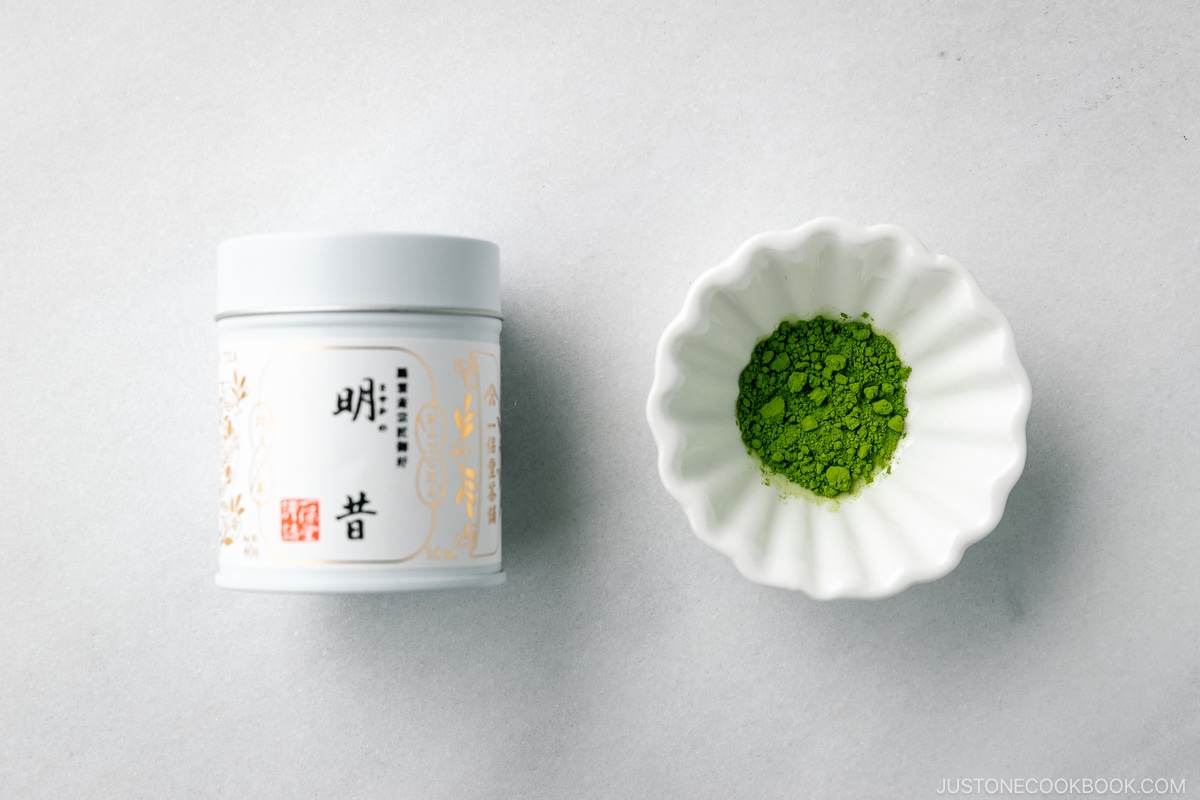
Kyoto-based Ippodo Tea was one of my go-to tea purveyors when I lived in Japan. Since expanding into the U.S. market, I’ve purchased their teas regularly and have always been impressed by their quality.
Sayaka Matcha is my go-to choice when I want a versatile matcha that works beautifully both whisked on its own and mixed into lattes. While Ippodo doesn’t label it as “ceremonial,” it certainly fits that category in quality.
It has a pleasing balance of umami and mild bitterness, with a smooth mouthfeel and excellent froth. This is an ideal everyday matcha if you want reliable quality without going ultra-premium.
The specs:
- Origin: Kyoto, Japan
- Best for: Traditional water preparation like usucha (regular matcha drink) or koicha (thick consistency), matcha latte, cold brew
- Flavor profile: Balanced umami, mild bitterness, smooth finish
The pros:
- From well-respected Kyoto tea seller
- Rich enough for matcha fans but still approachable for beginners
- All-purpose matcha powder for drinks
The cons:
- Pricier than mass‑market brands
- Not recommended for baking
What others are saying:
It has a 4.6-star rating on Amazon from more than 2,000 reviewers.
2. Best Ceremonial Matcha: Naoki Matcha Superior Ceremonial Blend
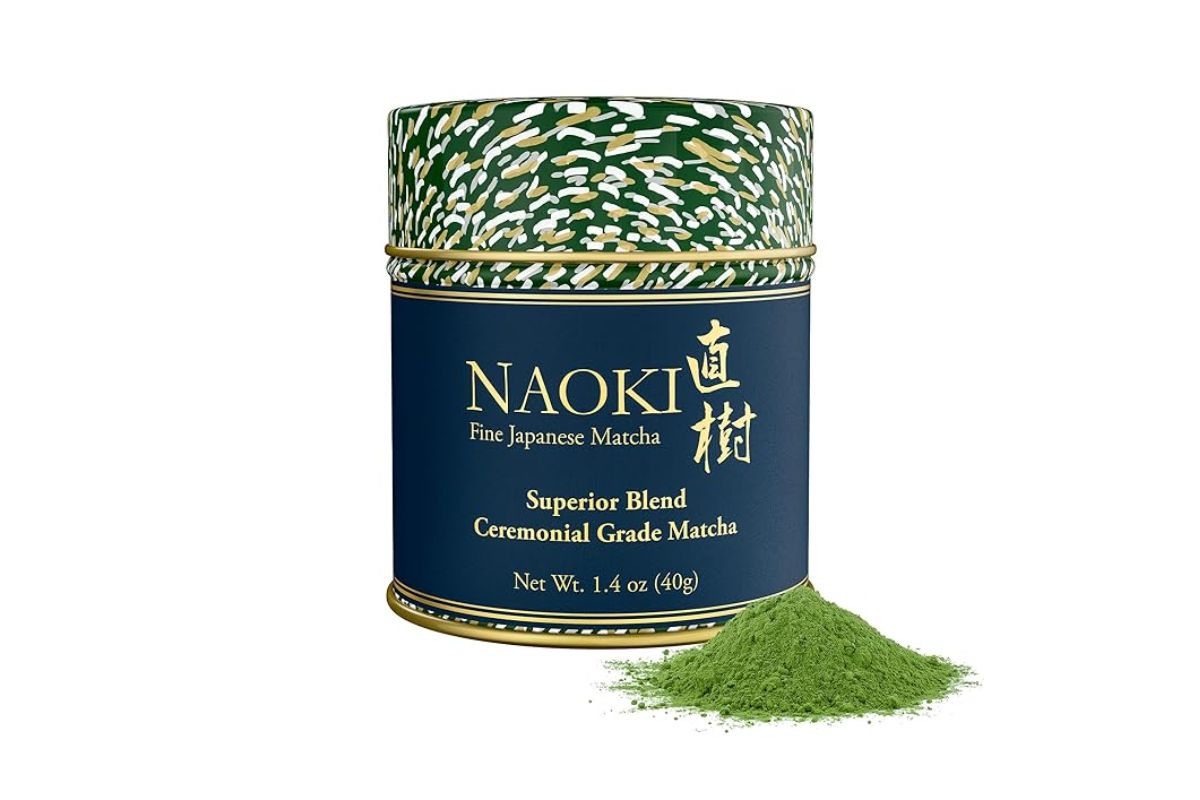
Naoki Matcha is another brand I trust for its consistent quality at a reasonable price.
Their Superior Ceremonial Blend strikes an excellent balance between affordability and quality. I often recommend it when introducing guests to matcha, as it has a smooth flavor with minimal bitterness and works well for tea gatherings without feeling expensive.
If you’re looking for a more complex matcha and aren’t concerned about price, Naoki’s Ujitawara Special is their highest-end offering and exceptional.
The specs:
- Origin: Uji & Kagoshima, Japan
- Best for: Usucha, matcha latte, cold brew matcha
- Flavor profile: Smooth, lightly sweet, minimal bitterness
The pros:
- Great value for ceremonial‑style matcha
- Smooth and approachable
- Widely available online
The cons:
- Not recommended for baking
- Less depth than ultra‑premium single‑origin matcha. May not be for seasoned matcha drinkers.
What others are saying:
It has a 4.6-star rating from more than 3,100 Amazon buyers.
3. Best Matcha Powder for Baking: Maeda-en Shiki Matcha Green Tea Powder
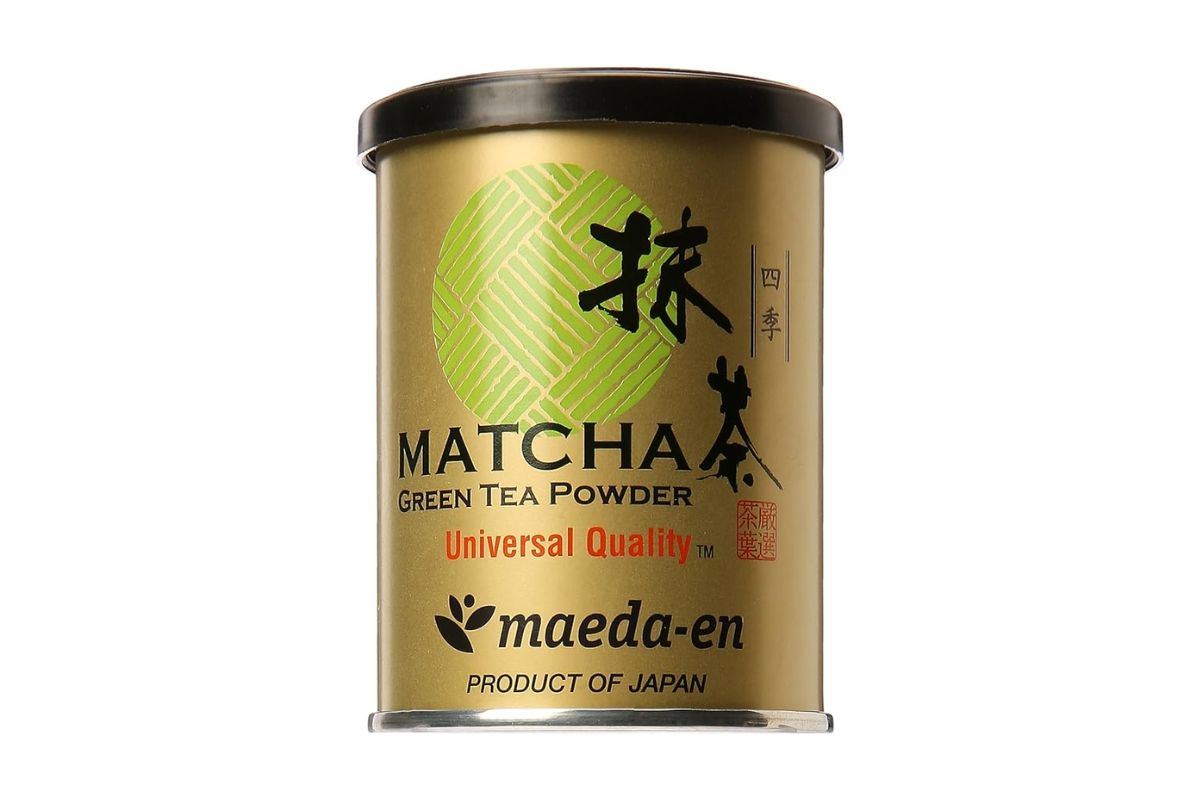
In the early 2010s, before high-quality matcha was widely available in the U.S., Maeda-en’s Shiku Matcha Green Tea Powder was one of the most popular options on the market.
I’ve used it extensively and find it well suited for baking, such as matcha cookies or my matcha tiramisu. In baked goods, matcha’s color matters just as much as its flavor, and this powder delivers both reliably.
The specs:
- Origin: Japan
- Best for: Lattes, smoothies, baking
- Flavor profile: Bold, grassy, slightly bitter
The pros:
- Budget‑friendly
- Strong matcha taste and color
- Widely available online and in Japanese/Asian markets
- Great choice for baking.
The Cons:
- Some Amazon reviewers found that the powder doesn’t dissolve well
- Lower quality
What others are saying:
It has a 4.4-star rating from more than 650 Amazon shoppers.
4. Best Matcha Powder for Iced Lattes: Third Culture Matcha
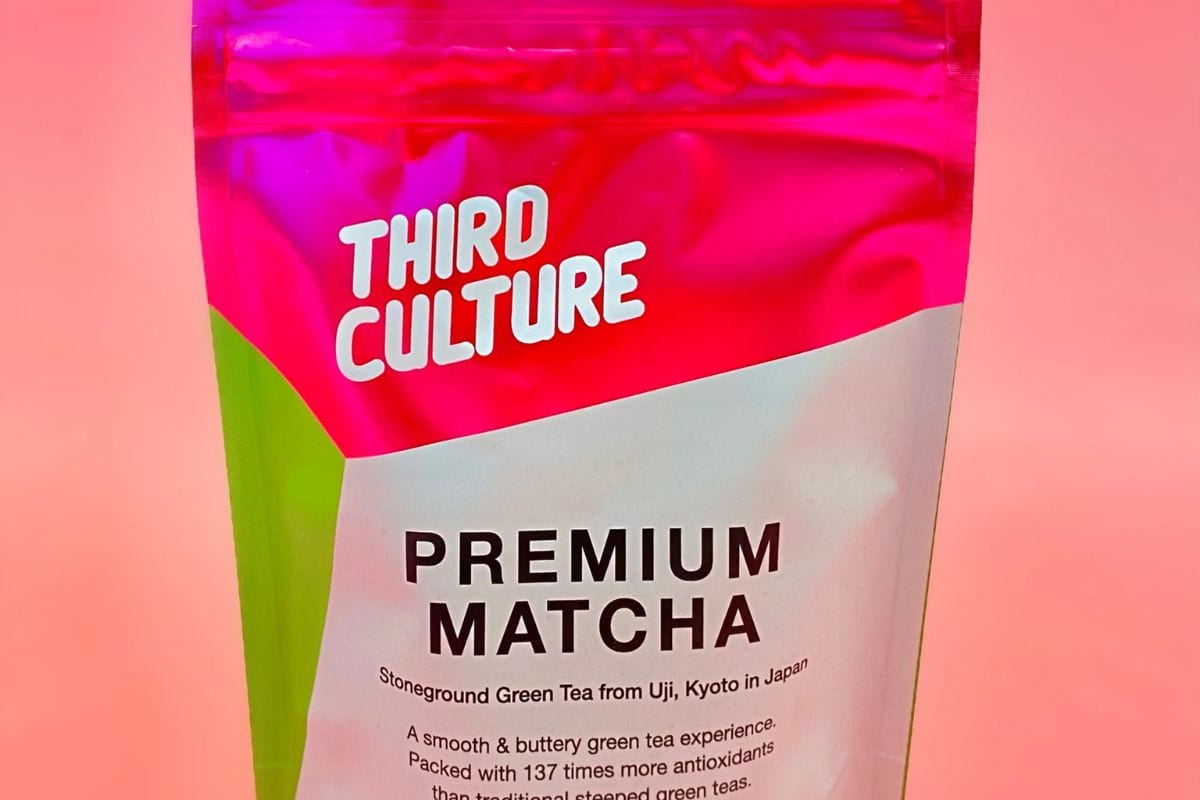
It’s probably no surprise that we go through a lot of matcha in my household—but the biggest fans are actually my two kids, who enjoy a big iced matcha latte every morning!
Because we use so much, my go-to is this larger bag from my friends at Bay Area–based Third Culture Bakery. It’s the same matcha they use in their popular lattes, so it holds up well with milk and ice.
I usually buy the 12-ounce bag, but they also offer a smaller 4-ounce size, which I recommend if you don’t think you’ll finish the larger bag within a few weeks of opening.
The specs:
- Origin: Uji, Kyoto in Japan
- Best for: Hot or iced matcha lattes
The pros:
- Makes a great latte
- Supports an Asian-American owned small business
The cons:
- Doesn’t make a great simple matcha with hot water
What others are saying:
Besides this being a staple in my household, Eating the World also highlighted the shop’s drinks as their favorite matcha in the Bay Area.
5. Best Splurge Matcha: Ippodo Tea Ummon Matcha
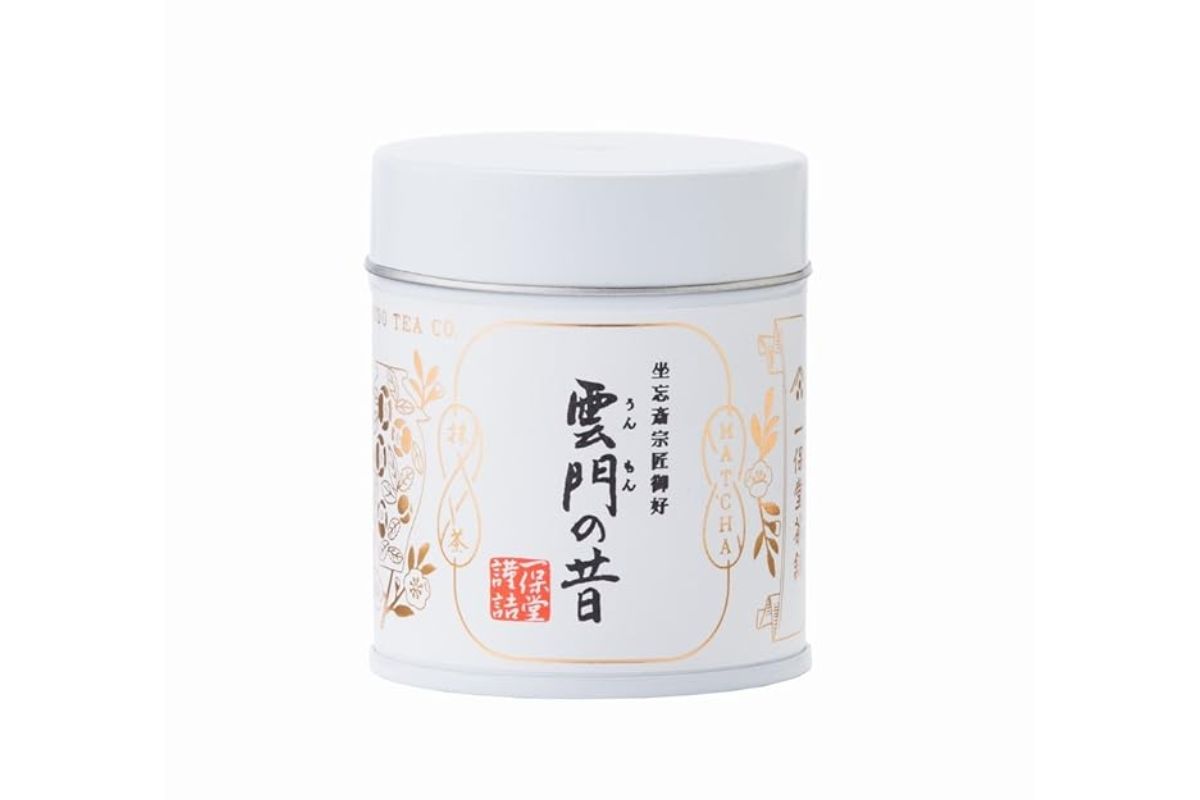
If you’re a matcha aficionado seeking intense, complex flavors, Ummon Matcha from legendary Kyoto tea purveyor Ippodo Tea is an exceptional choice.
Long respected in Japan, this matcha delivers deep umami, a beautiful aroma, and a subtle bitterness that seasoned matcha drinkers appreciate.
I enjoy this matcha prepared simply with water to fully experience its depth and fragrance. I wouldn’t use it for lattes or baking, as milk or other ingredients tend to mask its complexity.
It’s also the most expensive matcha on my list—but for true matcha lovers, it’s a worthy splurge.
The specs:
- Origin: Kyoto, Japan
- Best for: Traditional preparation with just water like usucha or koicha, iced matcha (without milk), cold-whisked matcha
- Flavor profile: Rich yet sweet tasting and full of umami
The pros:
- Intense, complex flavors
- Has been popular in Japan for decades
- Ideal to enjoy as teatime with wagashi (Japanese sweets)
- Makes a nice, thoughtful gift
The cons:
- Not ideal for lattes or baking
- Expensive
What others are saying:
It has a 4.4-star rating on Amazon and Bon Appetit dubbed it as the best splurge matcha powder. The Strategist also named it as their best overall pick for the best matcha powders.
Other Matcha Powders to Consider
Ito En Matcha
Ito En is a well-known Japanese tea brand, and this matcha powder is widely available and affordable. While it’s not intended for traditional tea preparation, it works well for everyday uses such as lattes, smoothies, and baked goods.
FGO Organic Matcha Green Tea Powder
This culinary-grade matcha from From Good Origins (FGO) is one of the top-selling matcha powders on Amazon. It’s an affordable option for frequent or large-batch use. One of my team members tried it and found it to be a decent choice for everyday drinking.
It’s also marketed as organic, which may appeal to those looking for certified options at a lower price point.
Jade Leaf Matcha Culinary Grade
Jade Leaf’s culinary-grade matcha is a reliable, budget-friendly choice for lattes, smoothies, and desserts. As one of the top-selling matcha brands on Amazon, it offers consistent quality suited for general use.
Its more assertive bitterness holds up well when combined with milk, sugar, or other ingredients.
Golde Pure Matcha
This ceremonial grade matcha from US-based superfood brand Golde is, according to professional critics, a great choice for making matcha lattes.
Writers from both Bon Appetit and The Strategist named it as their top pick for this. While it’s a reasonable choice, it didn’t make my top picks due to its higher price relative to the small quantity offered.
How to Make Perfect Cup of Matcha
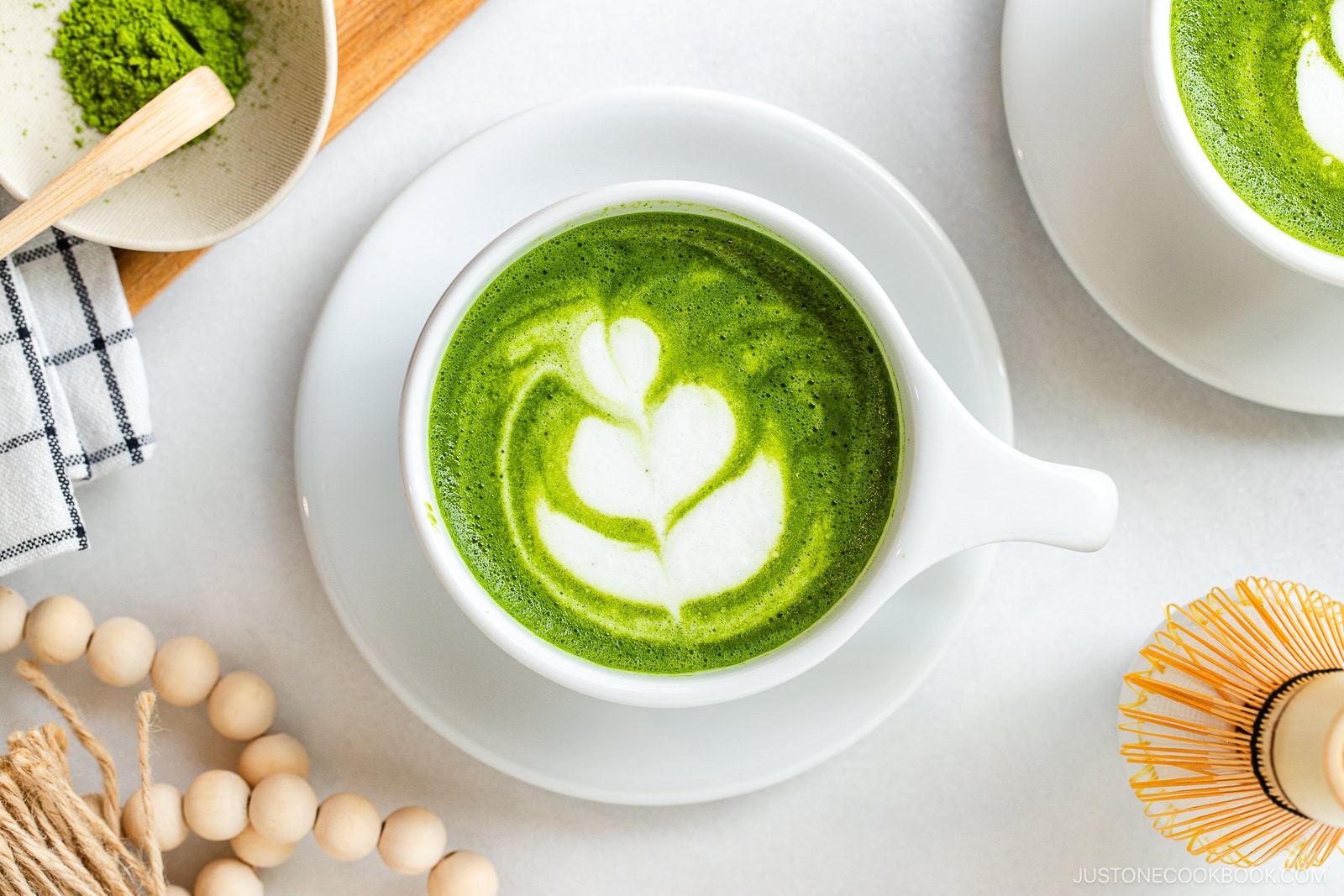
- Matcha Latte
- How to Make Matcha (Japanese Green Tea)
- Strawberry Matcha Latte
- Iced Matcha Latte
- Matcha Smoothie
FAQs
Does matcha powder expire?
Yes, matcha can go bad. If well sealed, packaged matcha should last for about six months at room temperature. After the package has been opened, matcha should be consumed within 2-3 weeks.
How should I store matcha?
Store matcha away from light and heat. Once opened, store at cool temperatures in the fridge, and try to use it within 1–2 months for the best flavor and color. Remove as much air from the package and seal tightly.
Can I use ceremonial matcha for baking?
Yes, but it’s usually not cost‑effective. Culinary matcha is better suited for baking.
Why does my matcha taste bitter?
Bitterness can come from lower‑grade matcha, water that’s too hot, or using too much powder.
How much matcha should I use?
For traditional tea, about 1–2 teaspoons per serving is typical.
Does matcha have caffeine?
Yes, matcha naturally contains caffeine because it is made from green tea leaves. A typical serving of matcha has less caffeine than coffee, but it also contains L-theanine, which helps provide a calm, steady energy rather than a sudden spike or crash.