

For pantry-led and creative cooking, here is a collection of delicious and easy Japanese recipes you can make at home anytime. Think teriyaki chicken, Japanese curry, miso soup, soba salad, and more. Also, I’ve included tips and resources for anyone who wishes to learn authentic Japanese cooking at home.
Love to cook more Japanese food at home but not sure where to start? In this meal guide, you’ll find the best-tested, easy Japanese recipes that any beginners can make at home. These favorite home-cooked dishes include miso soup, onigiri rice balls, teriyaki salmon, donburi rice bowls, soba salad, and more.
I’ve also included tips, ideas, and resources on how to optimize your ingredients. Whether you’re a home cook or a college student, you’ll be empowered with the know-how by the end of the post.
Let’s get cooking!
Quick Tips on How to Make the Best of Pantry Meals
1. Build your pantry staples based on categories and shelf life
First, start with the type of cuisine you prefer. Next, build your pantry based on grains and freezer-friendly proteins. In addition, remember to go for longer shelf-life ingredients.
For cooking Japanese food, you need to stock up on these 6 must-have condiments. Dried ingredients such as dried kombu, dried wakame, nori sheet, tofu, and dried mushrooms are well-worth adding too.
2. Simplify & improvise
You can still enjoy some of your favorite dishes even when you don’t have access to fresh foods. Emergency meals are about simplification and improvisation. Skip non-essential garnishes or cut down on one or two ingredients on the list. Use eggs, tofu, or mushrooms – these 3 powerful ingredients make wonderful stand-ins for many recipes.
3. Use recipes as your guide
When you’re new to cooking, it’s understandable to feel like you need to follow everything listed on a recipe. That’s not true! I recommend reading through any key tips and getting a quick understanding of the dish. If you really wish to cook it but don’t have everything on hand, it’s ok. Once you learn how to use the recipes as a guide instead of strict instructions, you would discover more freedom, knowledge, and creativity as a cook.
4. Cook in a big batch and freeze
Over the years, I’ve learned a lot about time management and efficiency. When I prepare a meal that is suitable for freezing, I’d make a bigger batch so there’s something to eat when my kids are hungry at odd hours. I’d make pickles with leftover vegetables so we can always enjoy them on the side.
38 Easy Japanese Recipes Everyone Can Make at Home
We’ve grouped the recipes based on popular categories, along with substitutions and variations. There are also plenty of ideas for vegetarians and vegans.
Rice + Rice Bowls
Rice and rice bowls are dinner staples in Japanese home cooking, and we always have rice in our kitchen. As they said, rice can feed a nation. It sure can feed a hungry family, and fortify your tummy. Here are some great ideas on how to cook and enjoy rice with minimal effort!
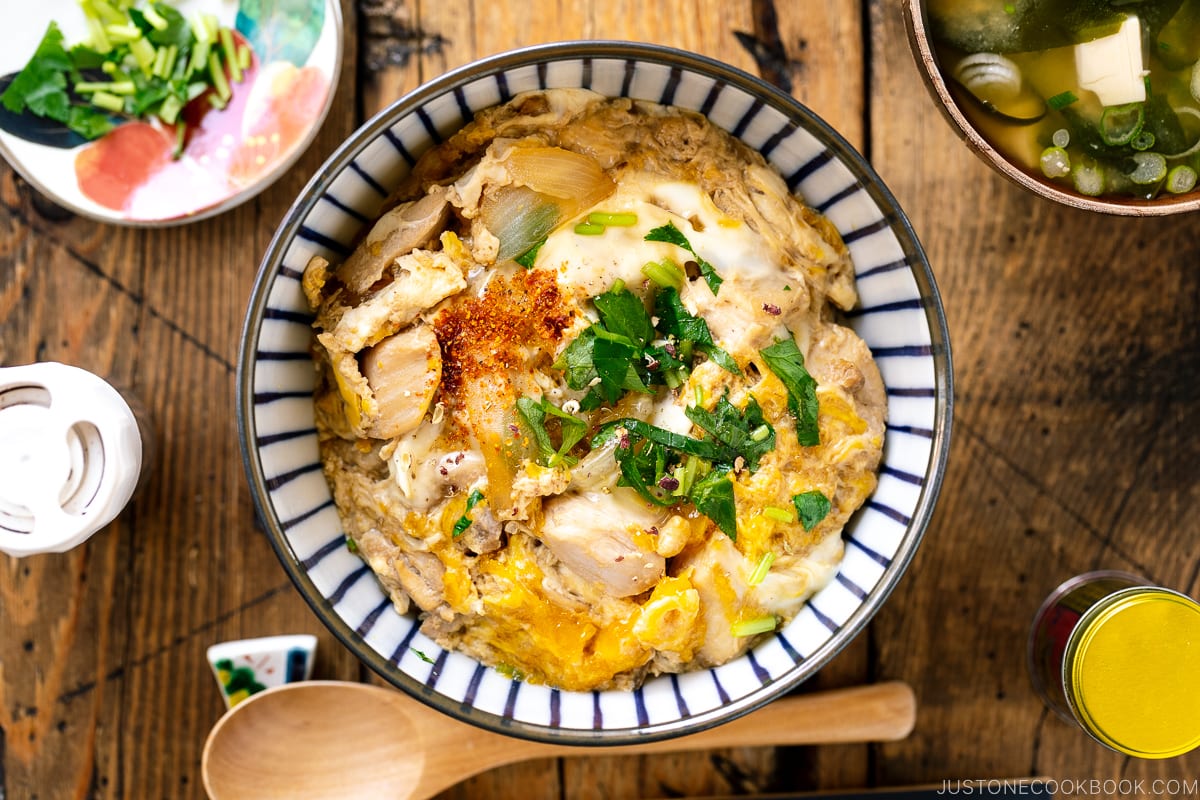
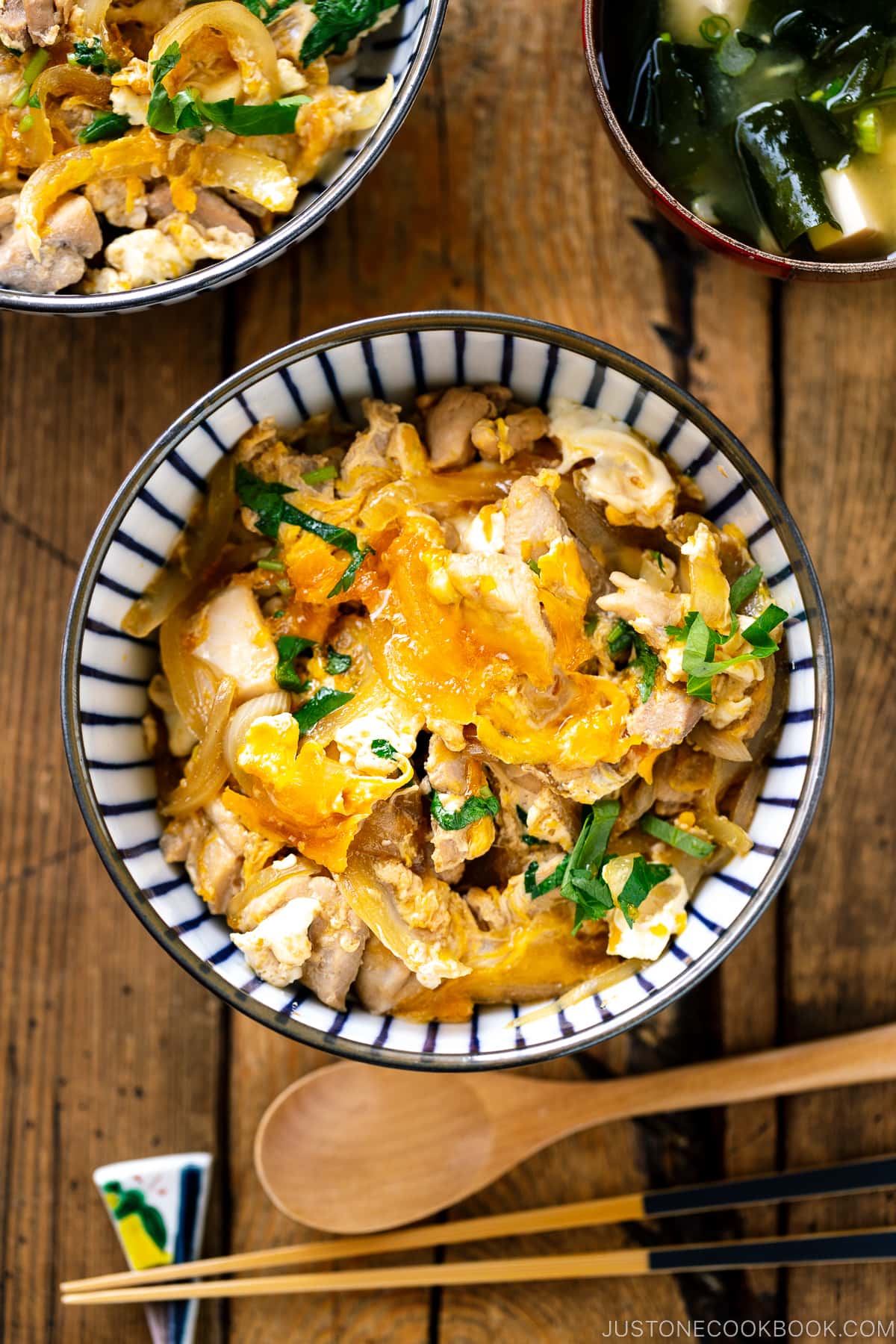
Oyakodon (Chicken and Egg Rice Bowl)
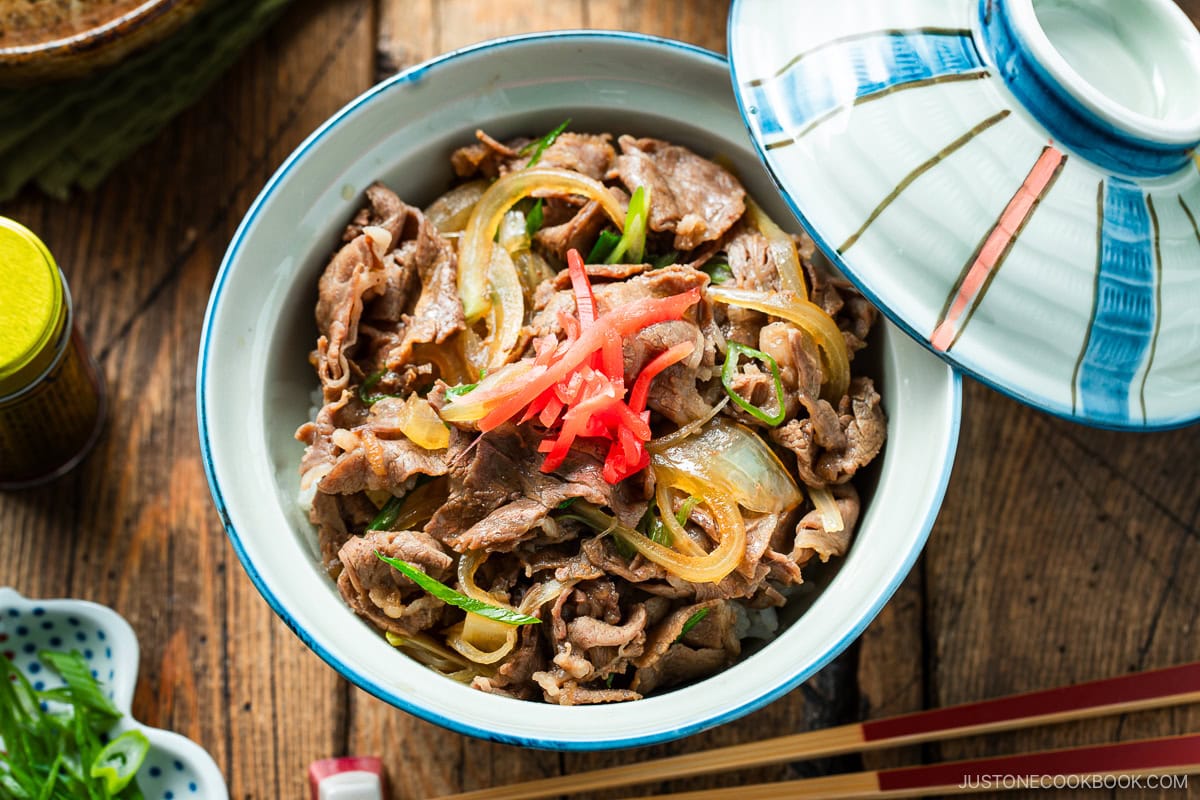
Gyudon (Japanese Beef Rice Bowl)
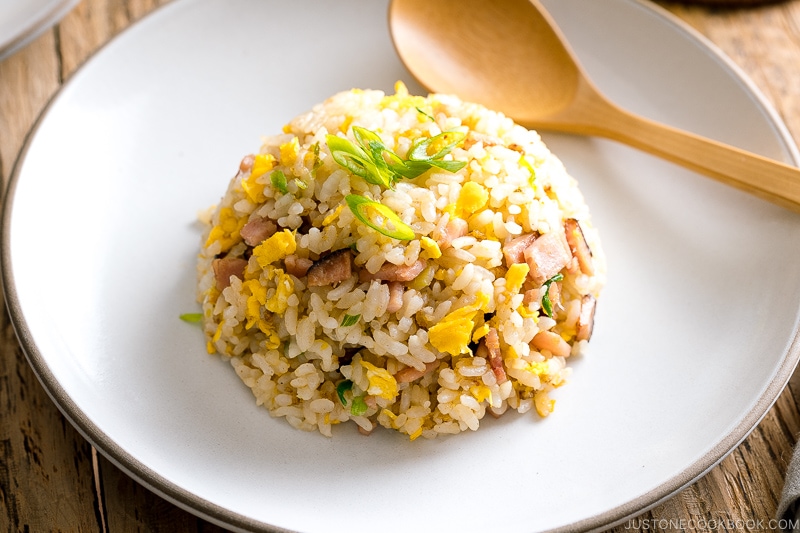
Easy Japanese Fried Rice (Yakimeshi)
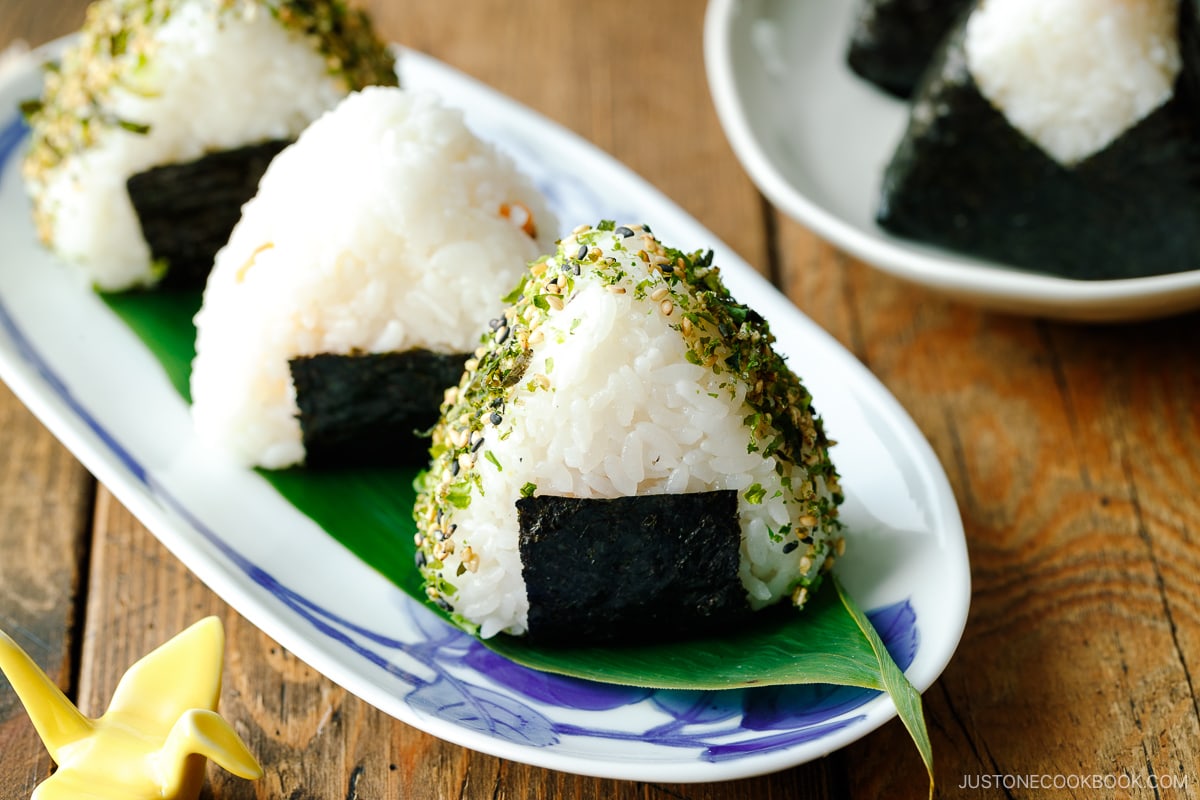
Onigiri (Japanese Rice Balls)
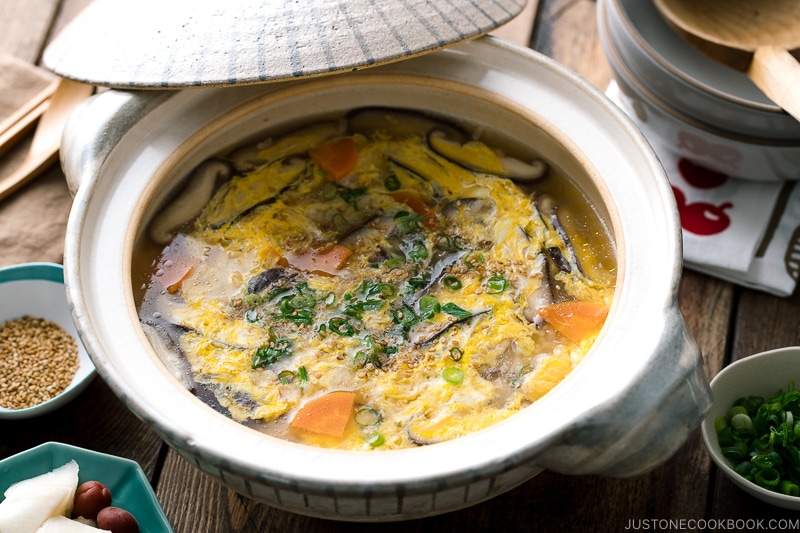
Zosui (Japanese Rice Soup)
Noodles (Soba, Udon, Ramen, Pasta)
While rice is a staple, noodles are equally important in Japanese homes. For instance, you’ll often find soba and udon stocked in a typical pantry.
In addition to rice, you’ll frequently find soba, udon, ramen, and even pasta on the Japanese table. Because we love our noodles so much, we keep various types on hand at all times. Fortunately, most of these are available in both fresh and dried forms. Therefore, if you keep them well-stocked, you can easily whip up your favorite noodle dishes whenever a craving strikes.
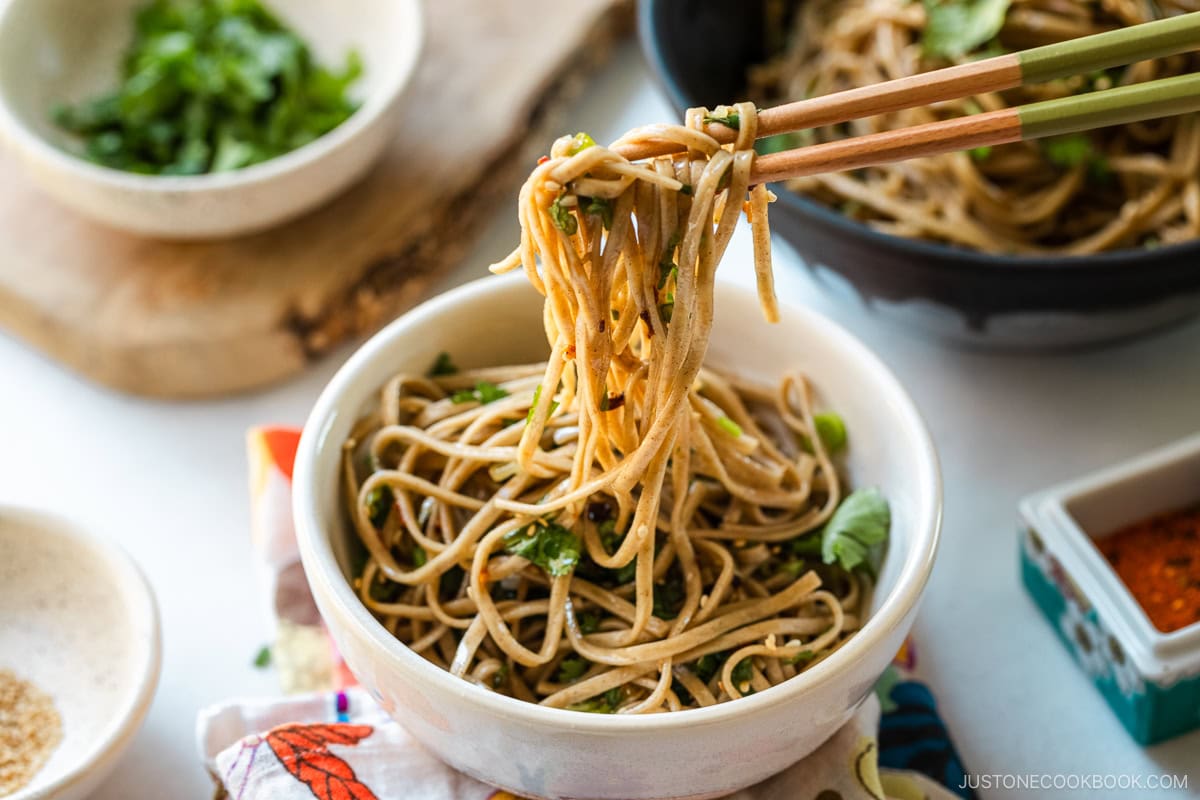
Soba Noodle Salad
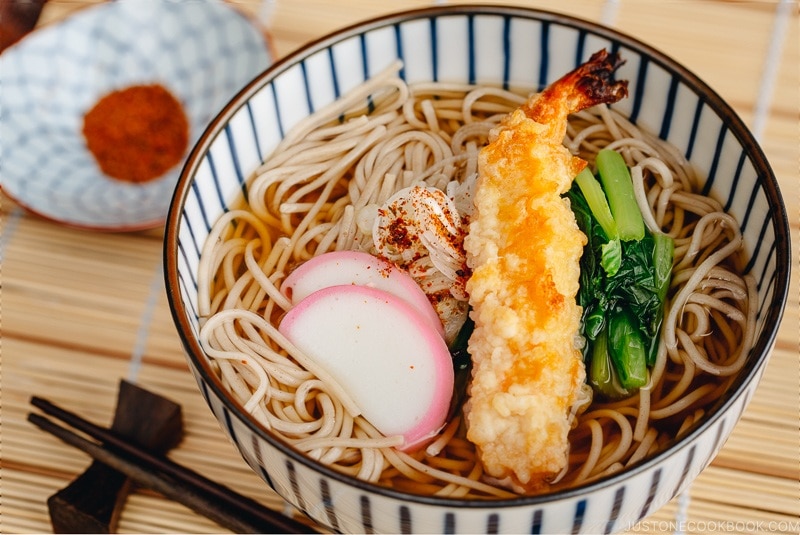
Soba Noodle Soup
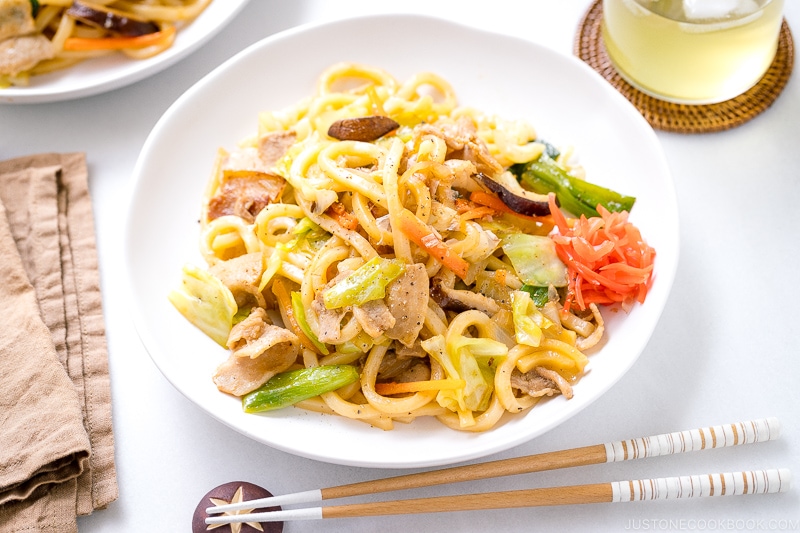
Yaki Udon (Japanese Stir-Fried Udon Noodles)
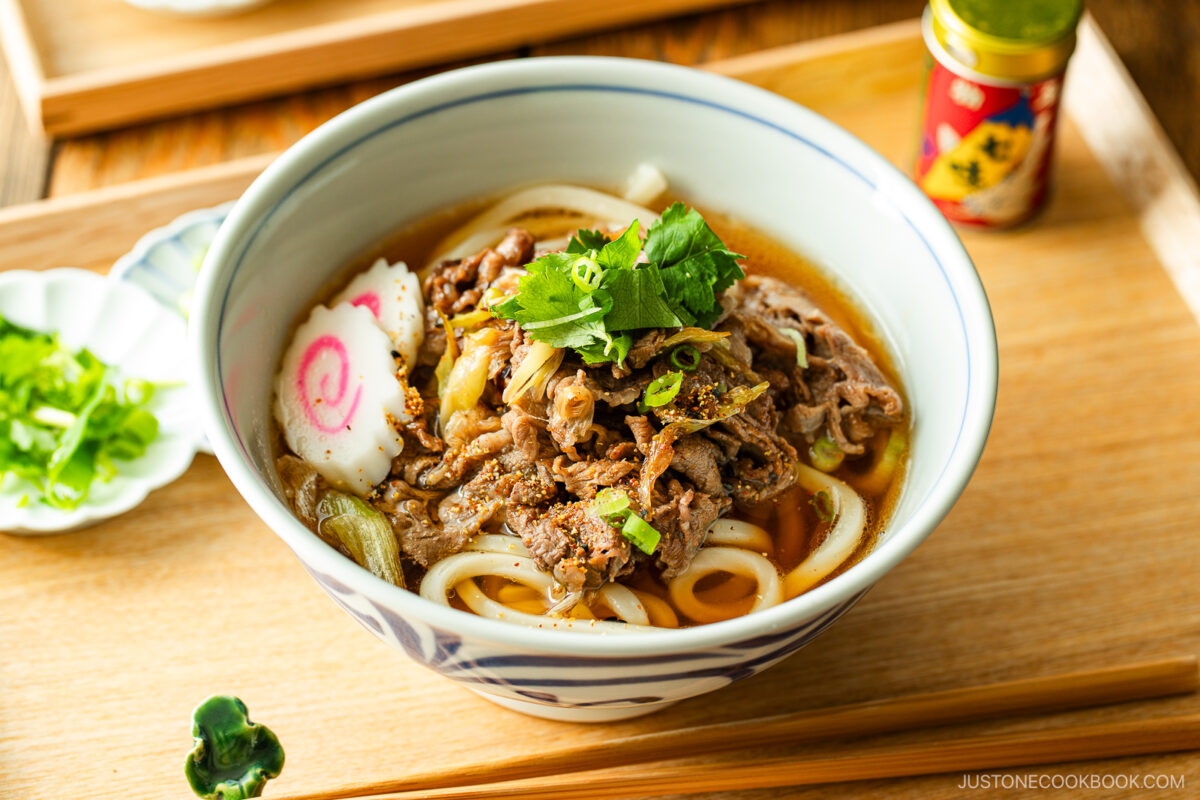
Beef Udon
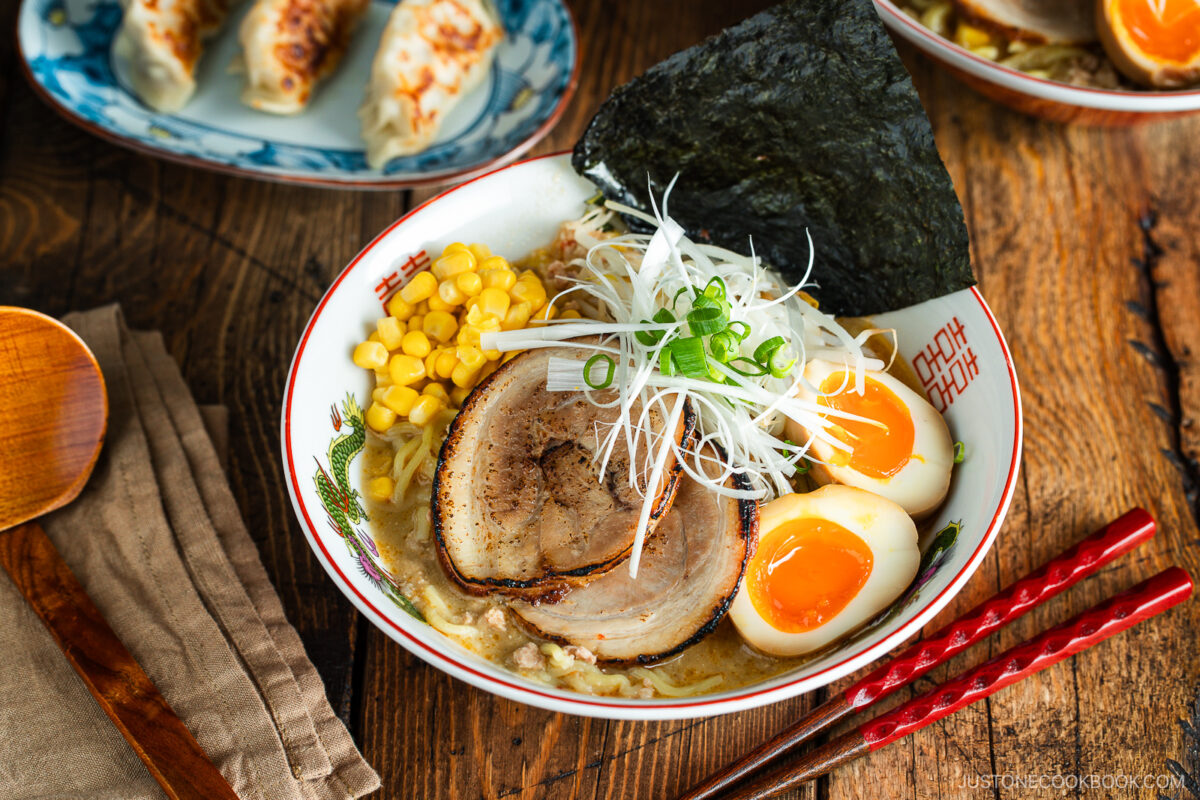
Miso Ramen
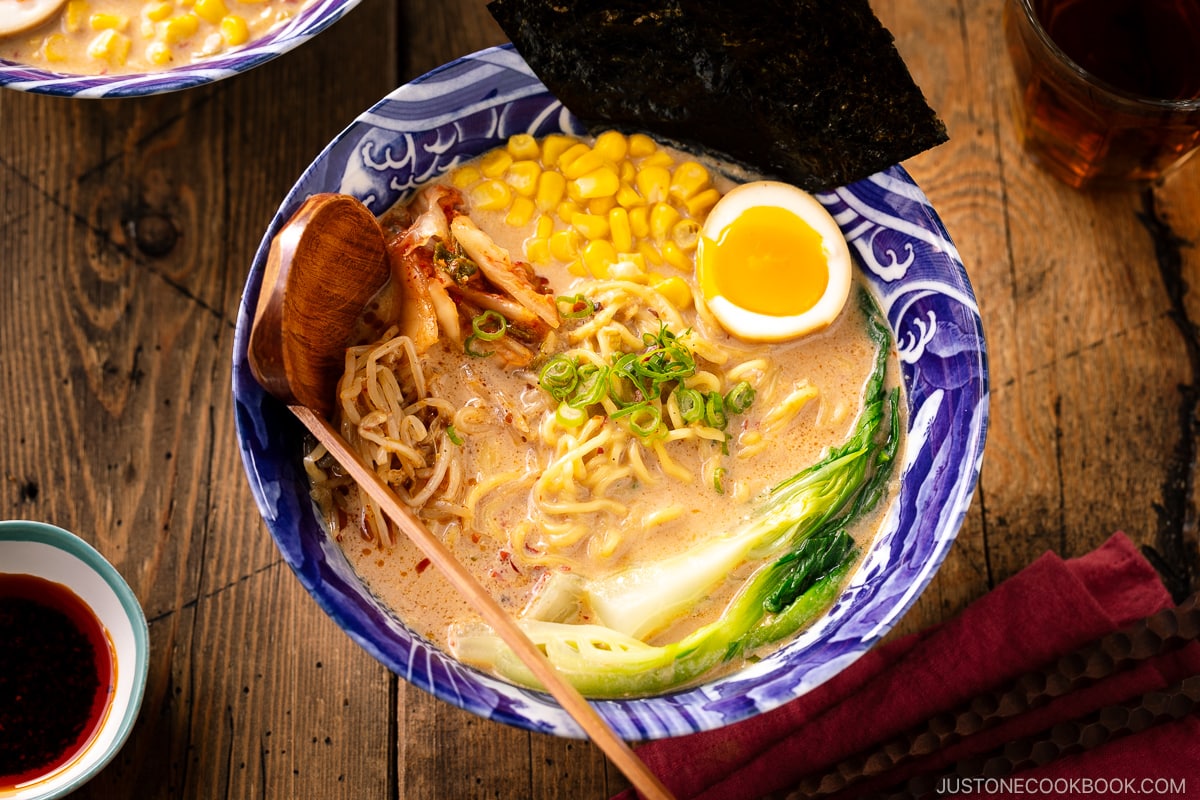
Vegetarian Ramen
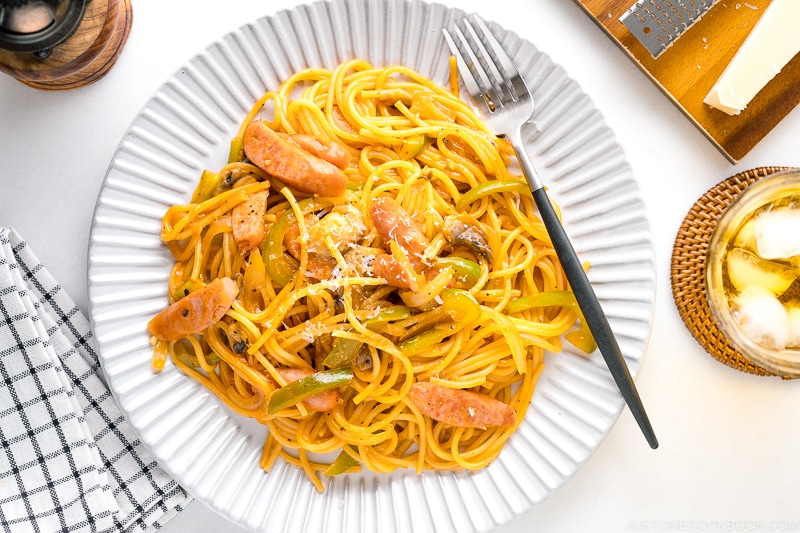
Napolitan (Japanese Ketchup Spaghetti)
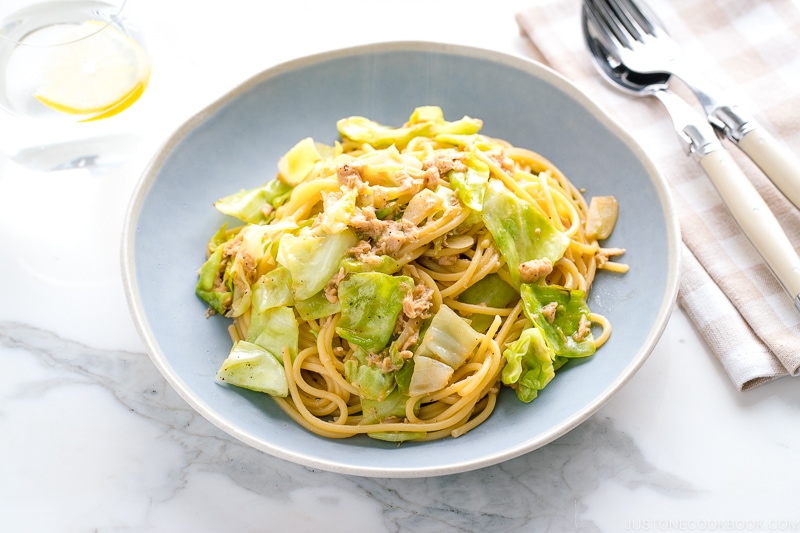
Miso Butter Pasta with Tuna and Cabbage
Veggies
Japanese people believe that it’s best to eat seasonally. On busy weeks, I always make sure I keep some root vegetables and fresh greens in the fridge so we’ll always have vegetables on the table. These easy recipes utilize vegetables that are available year-round so you can make them any time!
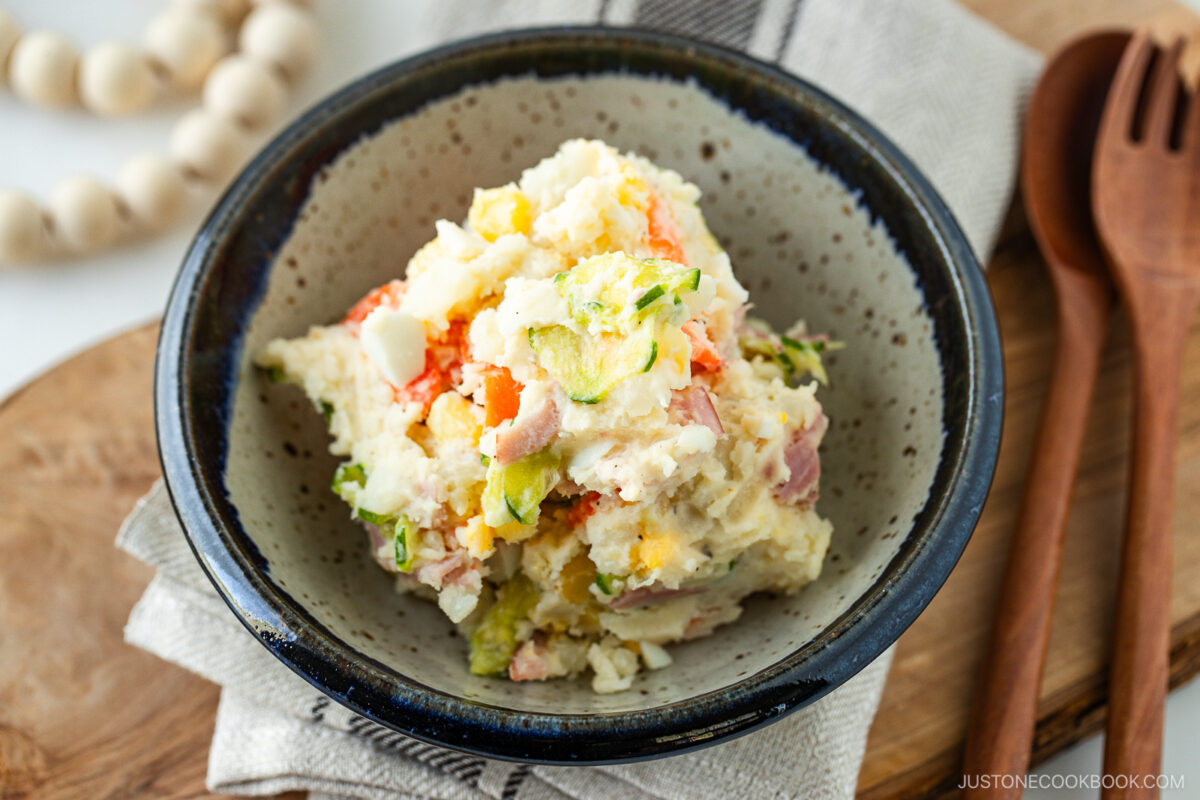
Japanese Potato Salad
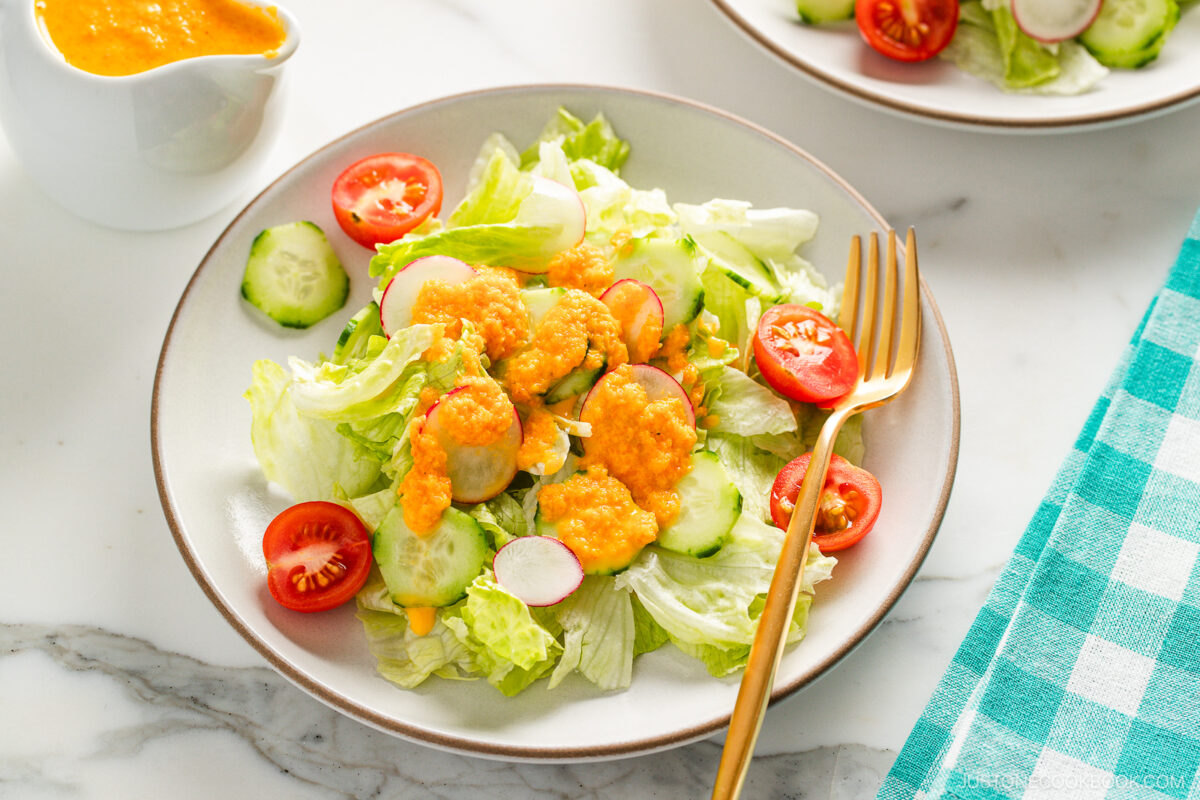
Carrot Ginger Dressing
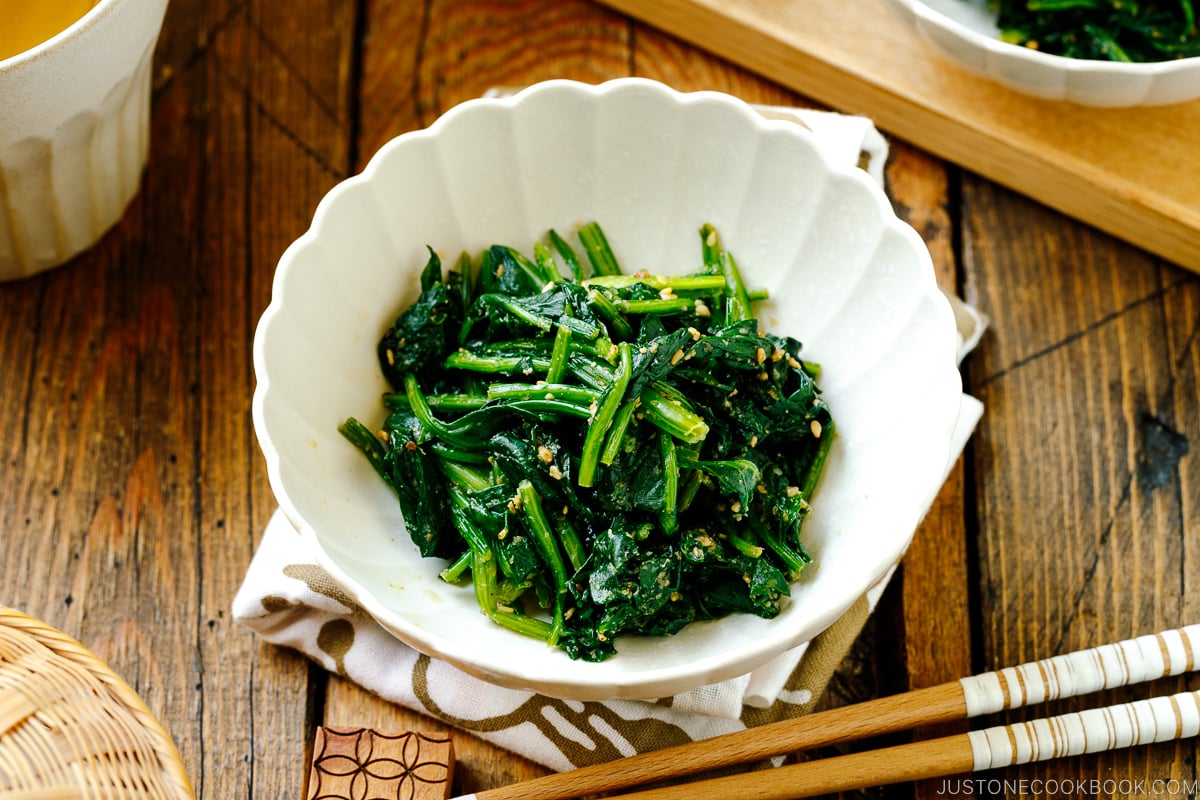
Japanese Spinach Salad with Sesame Dressing (Gomaae)
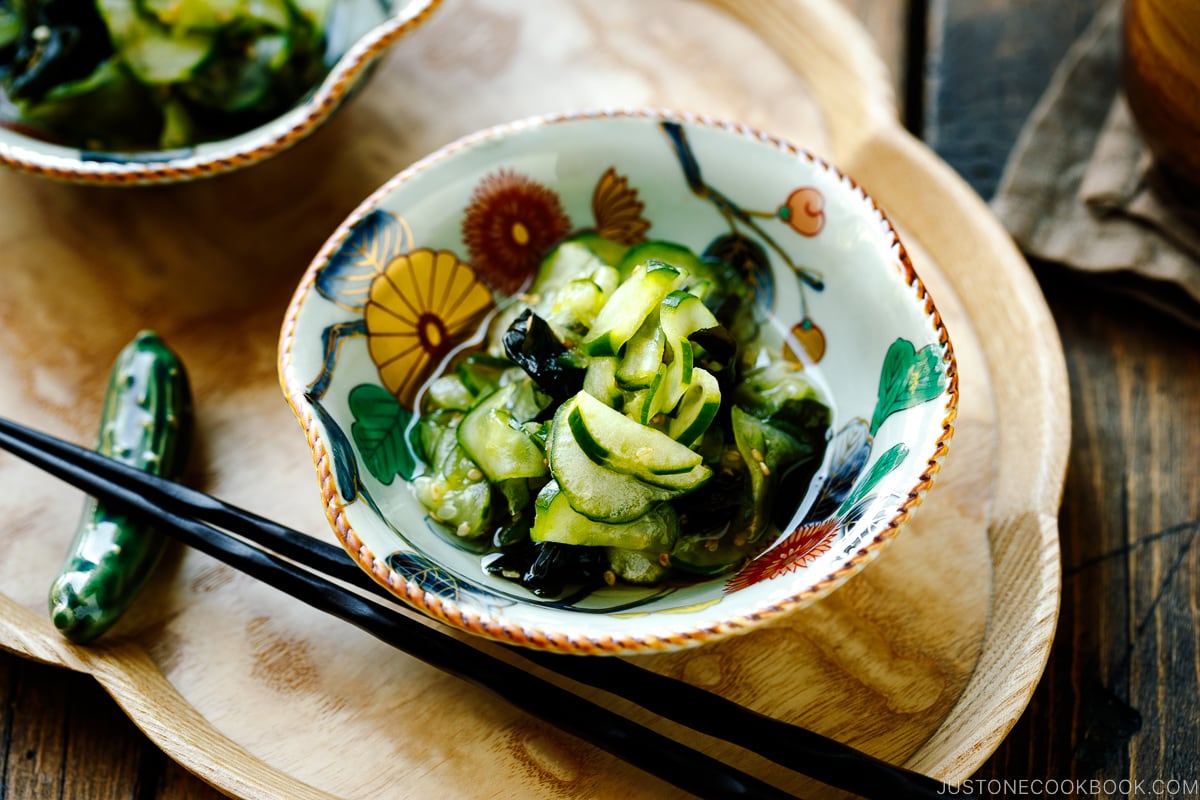
Japanese Cucumber Salad (Sunomono)
When you combine the canned fish with essential pantry staples like rice and pasta, it turns into a full-blown meal, like this Japanese-style pasta.
Eggs
Eggs are the essential pantry item for any kitchen. There are so many fun ways to cook them. Let’s discover some of the Japanese favorite recipes here!
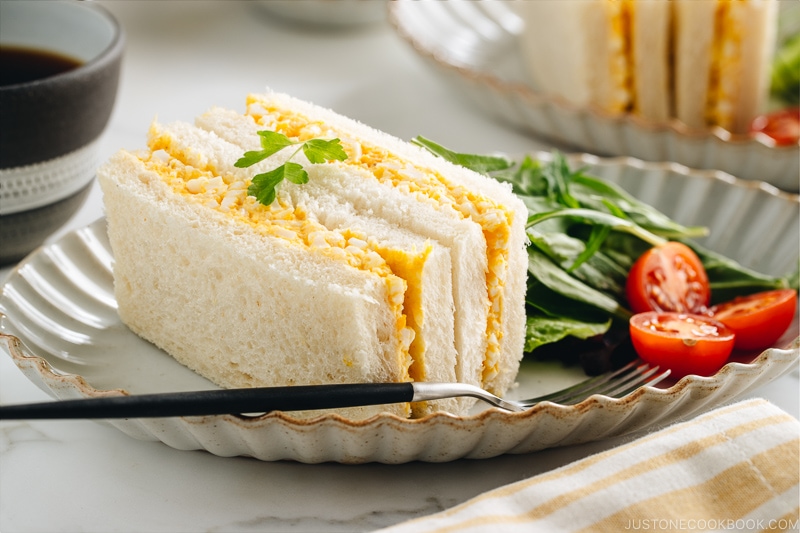
Japanese Egg Sandwich (Tamago Sando)
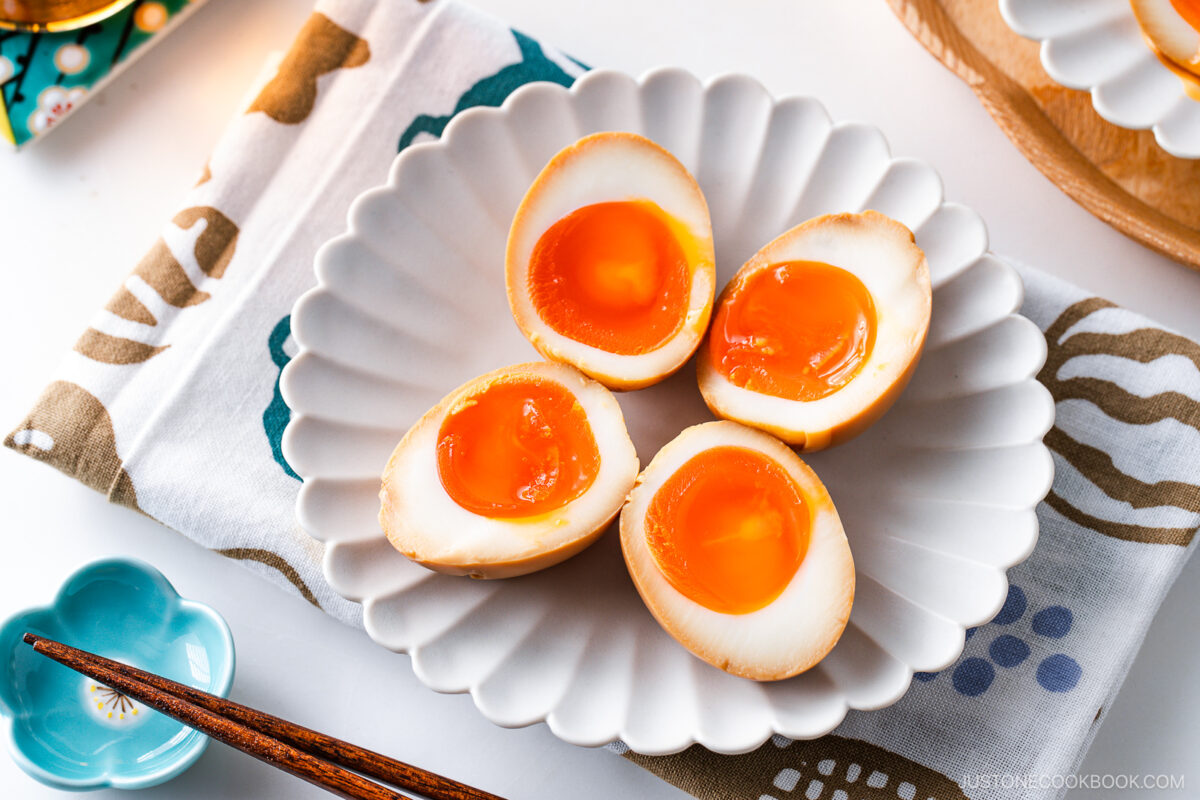
Ramen Eggs (Ajitsuke Tamago)
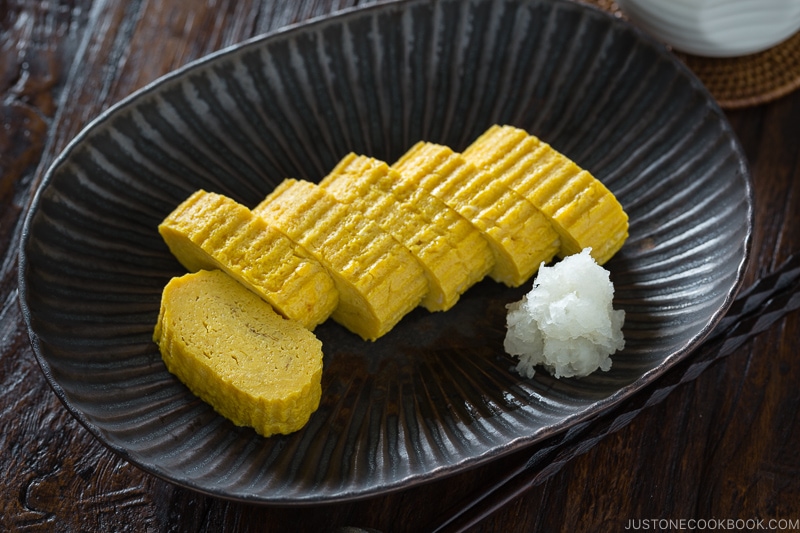
Tamagoyaki (Japanese Rolled Omelette) — Dashimaki Tamago
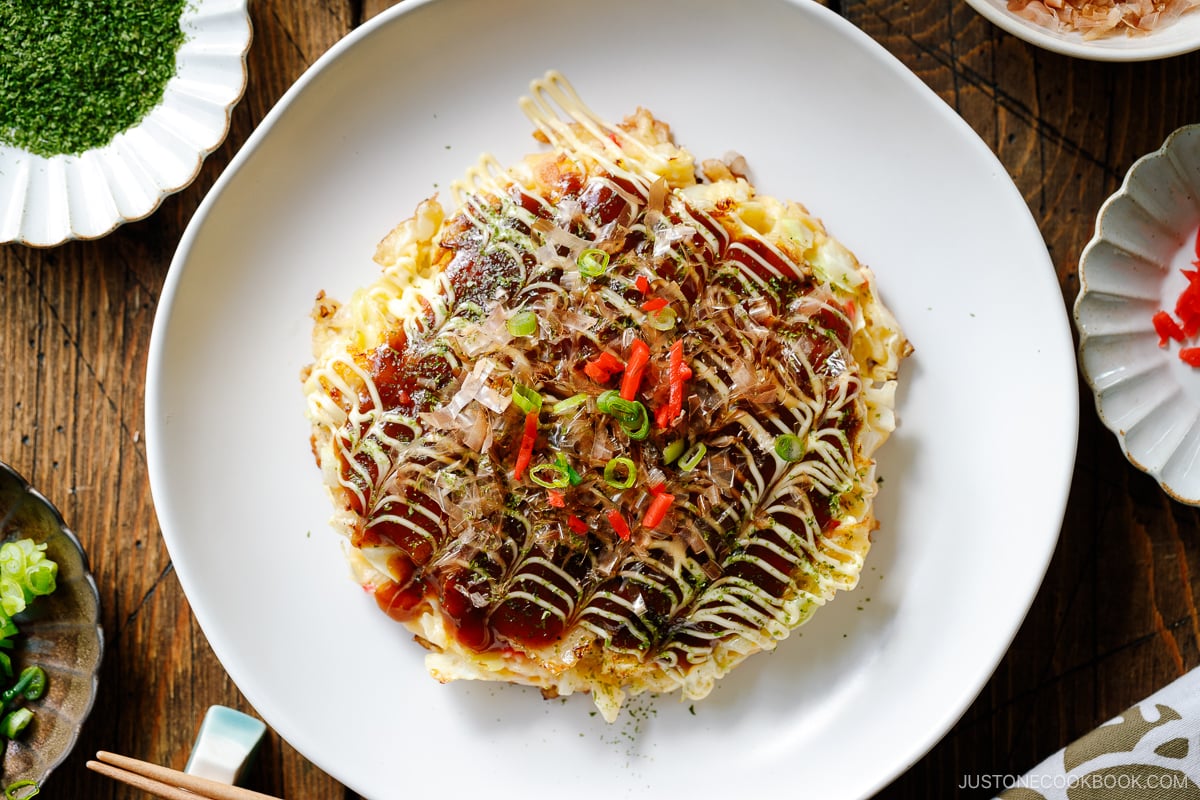
Okonomiyaki
Tofu
Similarly, tofu is the MVP of the Asian pantry. Not only is it packed with protein, but it is also incredibly affordable. They’re packed with protein and very affordable. You can pan-fry them, bake them, scramble them, or add them in a hot pot. I always have a few blocks in the refrigerator and a few boxes of silken tofu that keep well in a cool place.
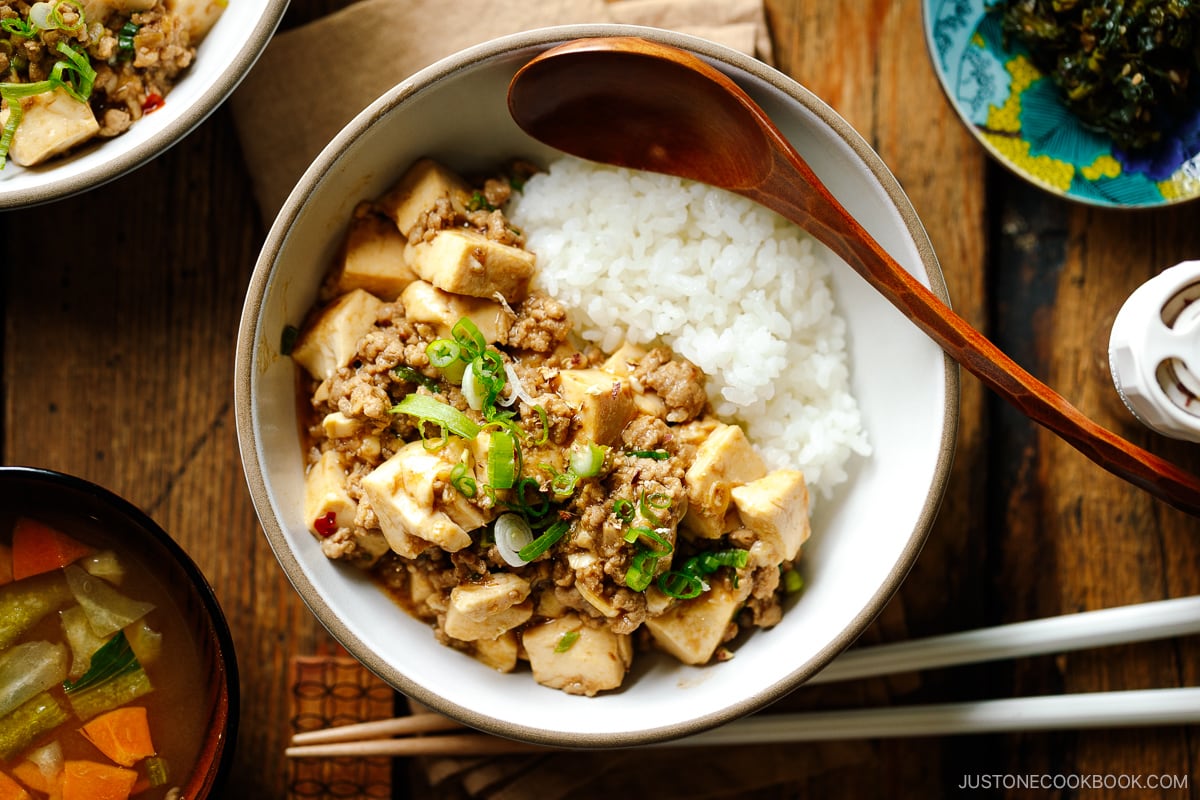
Mapo Tofu (Mabo Dofu)
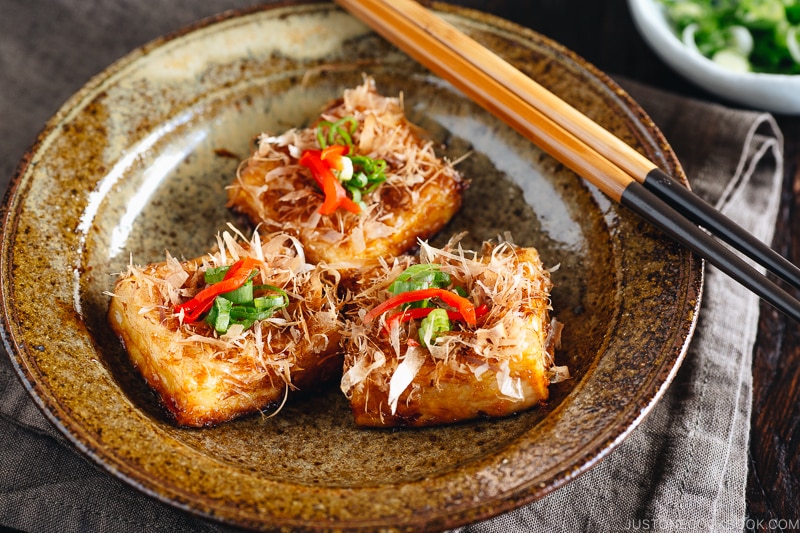
Teriyaki Tofu
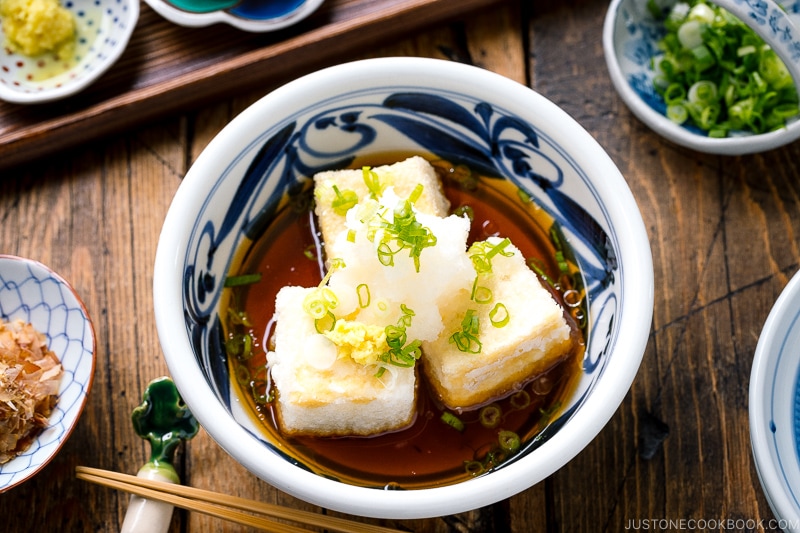
Agedashi Tofu
Meat & Seafood
The Japanese eat a variety of meat and seafood, so we have developed many interesting ways to cook with them. Be it pan-frying, grilling, deep-frying, or baking, you’ll find your favorites!
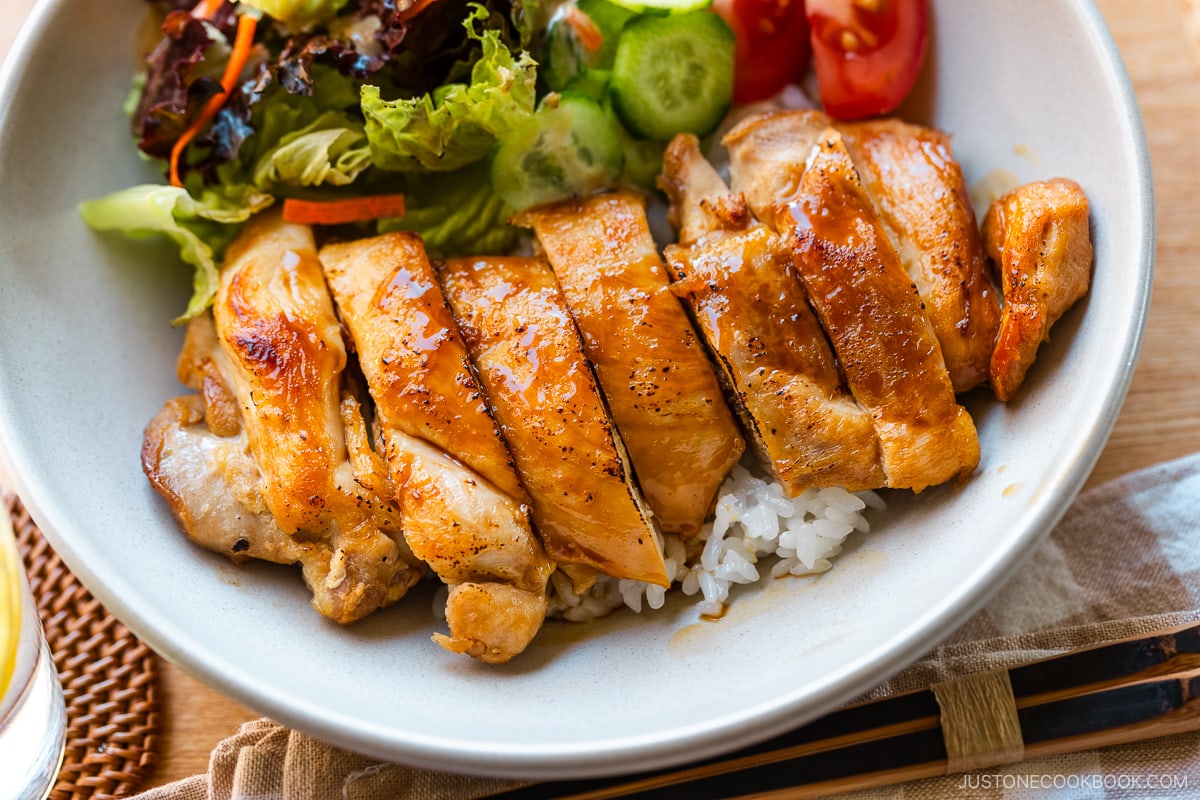
Chicken Teriyaki
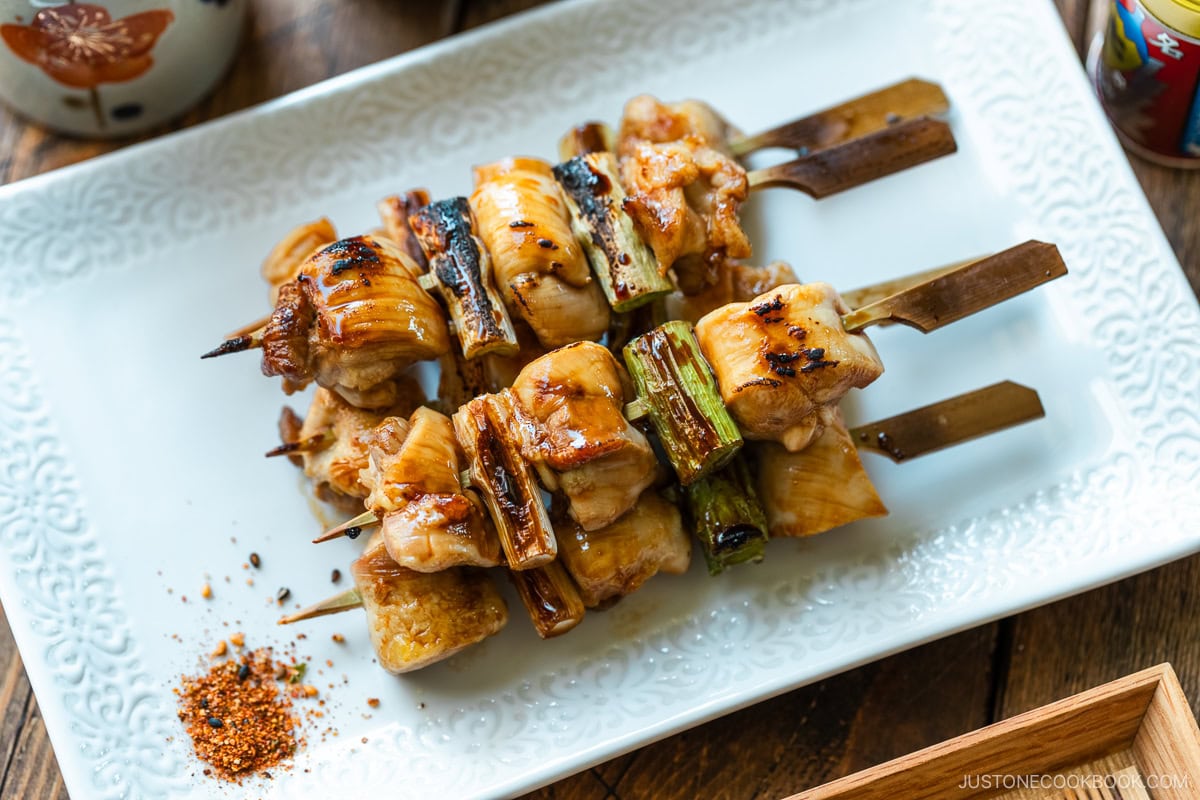
Yakitori Recipe with Homemade Sauce
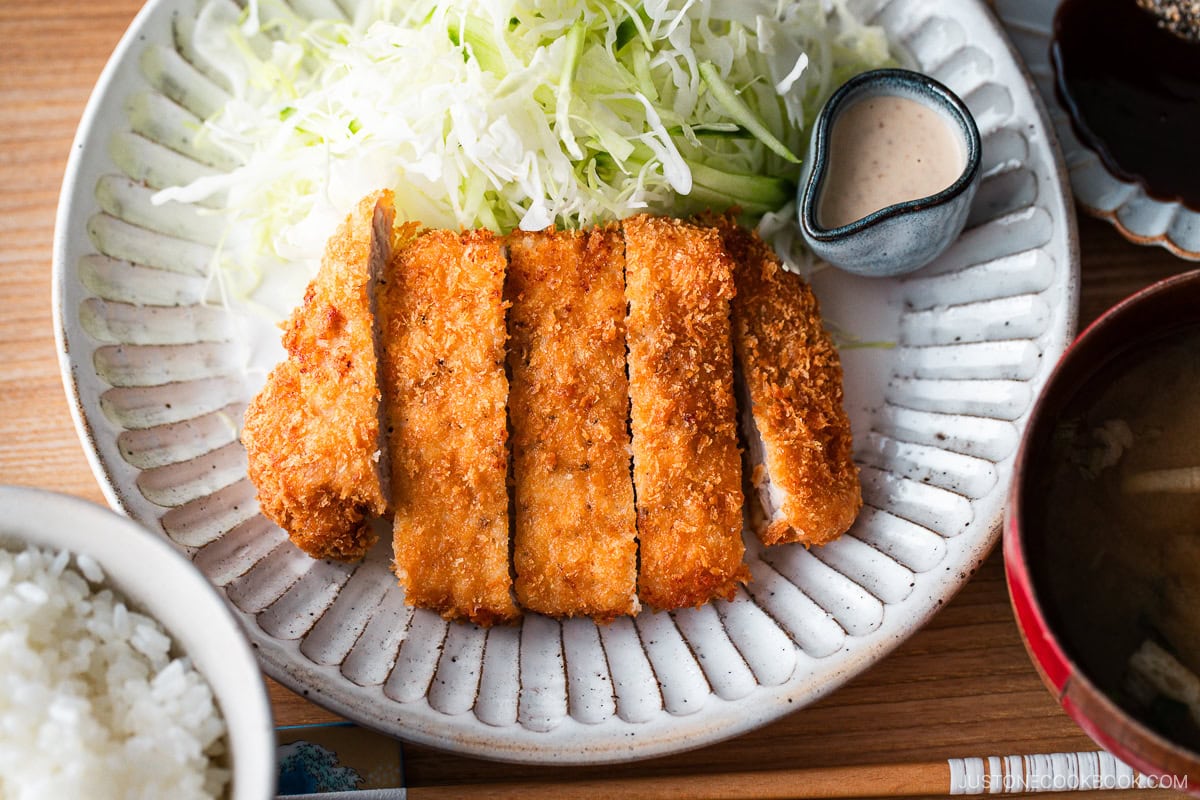
Tonkatsu (Japanese Pork Cutlet)
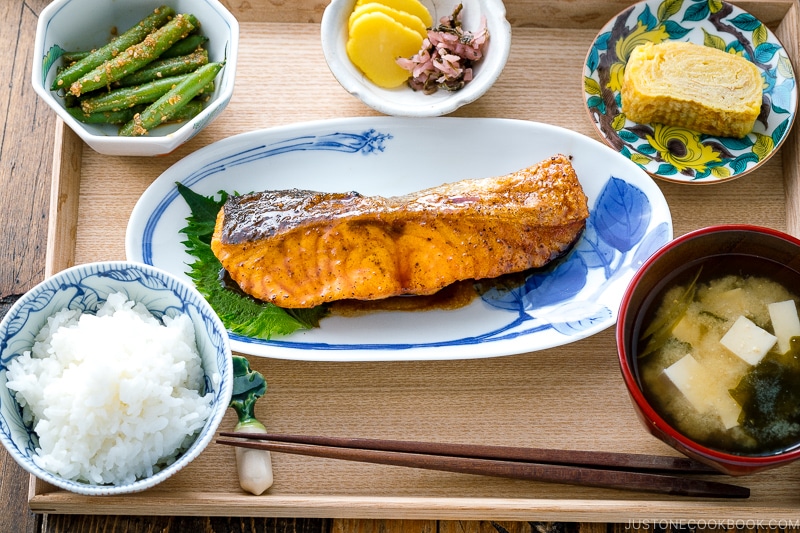
Teriyaki Salmon
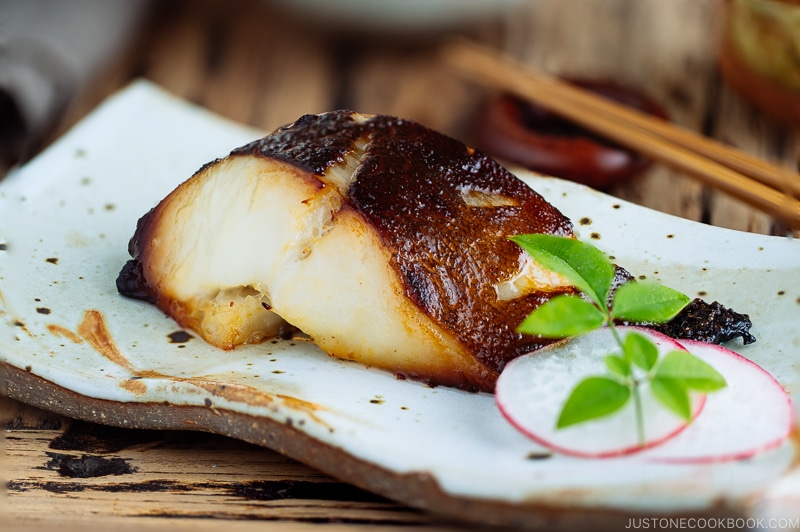
Miso Cod (Black Cod with Miso)
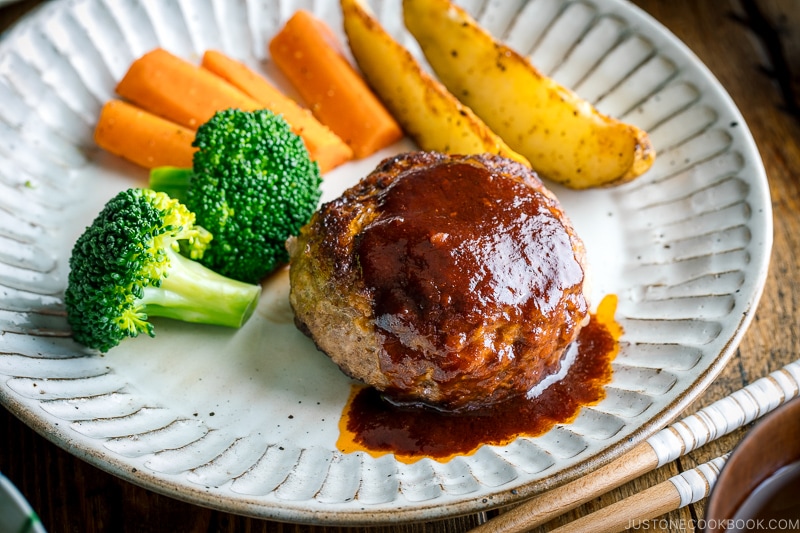
Japanese Hamburger Steak (Hambagu)
Miso
Miso is a very important pantry item in Japanese cooking, which means the majority of you who have tried Just One Cookbook recipes may have one or two types of miso in your pantry. Another reason to have a tub of miso around? It’s full of probiotics and many other great health benefits. Here’s how you can use this condiment to flavor your pantry meals.
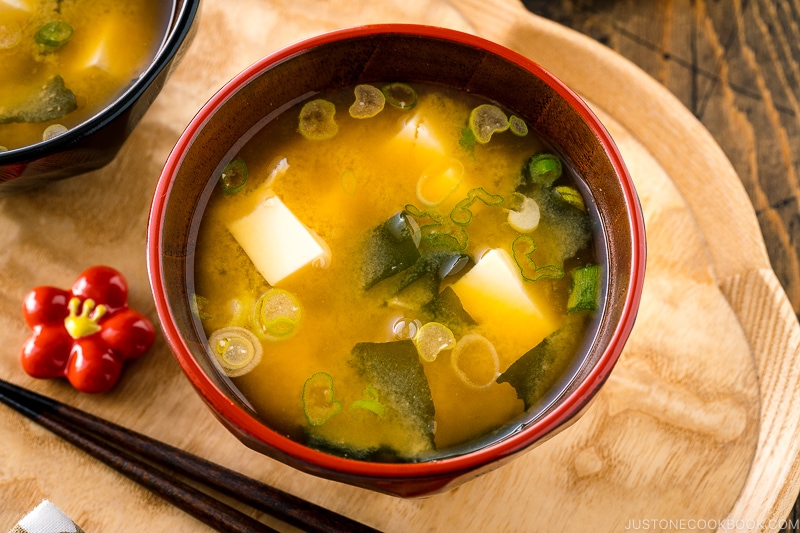
Homemade Miso Soup with Tofu
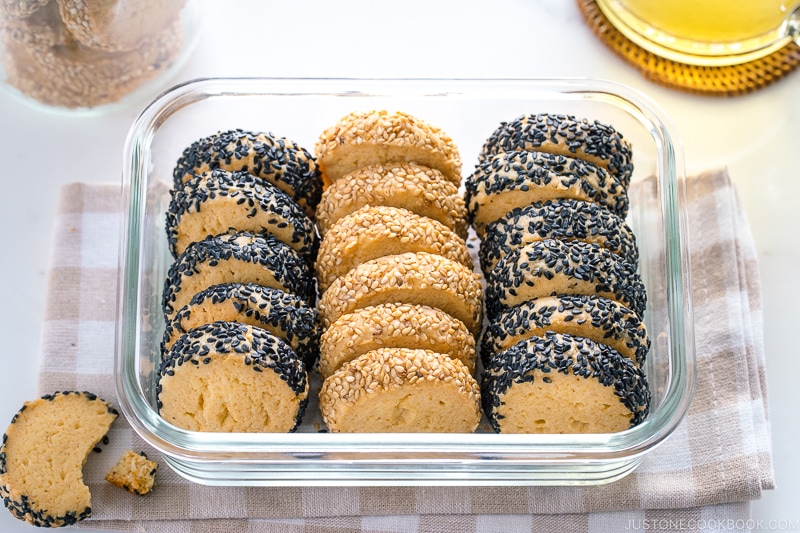
Miso Butter Cookies
Japanese Curry Roux
Japanese curry is one of the most-make dishes for Japanese cooks. You can always find curry roux, whether it’s homemade or store-bought cubes, in a Japanese kitchen.
The good news is homemade Japanese Curry Roux requires only 5 basic pantry ingredients. So, make a big batch, pour the mixture into ice cube trays and freeze!
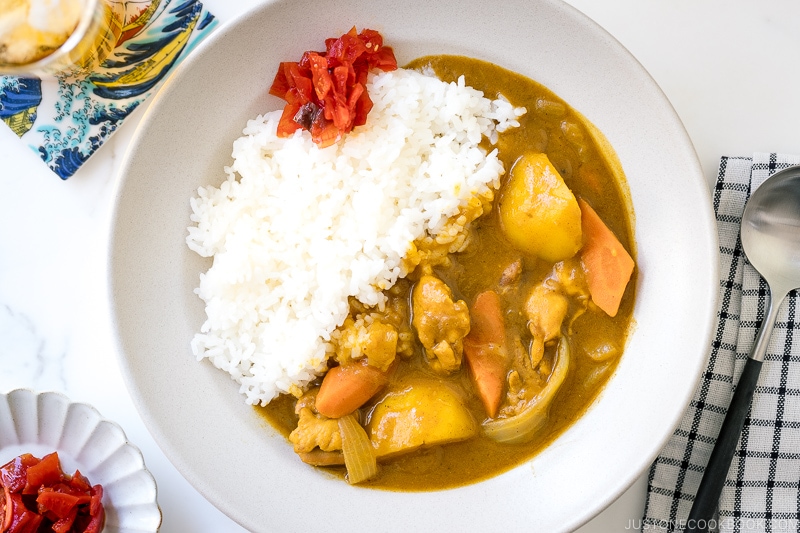
Japanese Chicken Curry
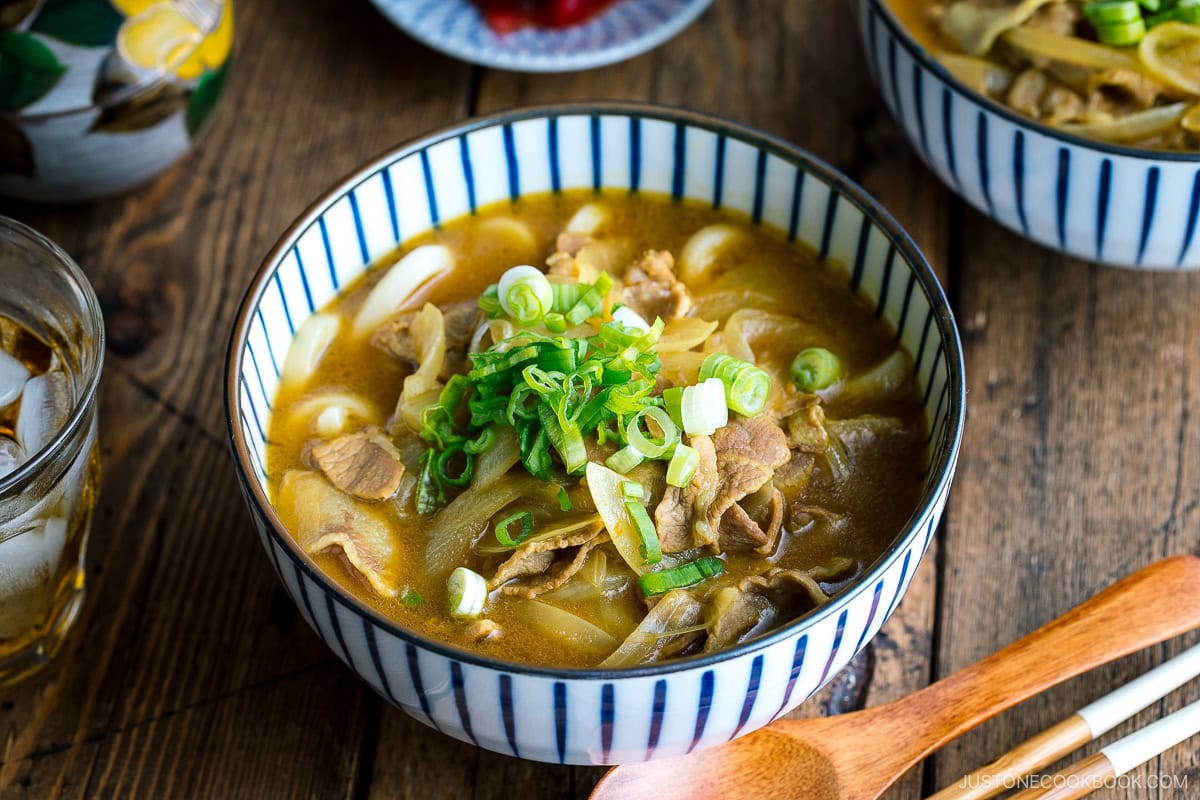
Curry Udon
Homemade Japanese Sauces
Savory and sweet sauces play a big role in boosting the flavors in our dishes. Making these sauces at home allow you to perk up any dishes. The best part is that you get to control the salt, sugar, and whatever ingredients that go into making them.
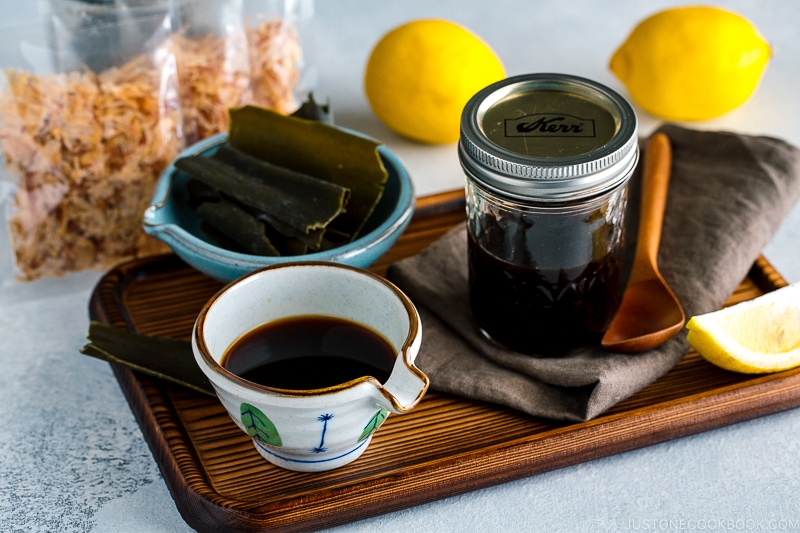
Homemade Ponzu Sauce
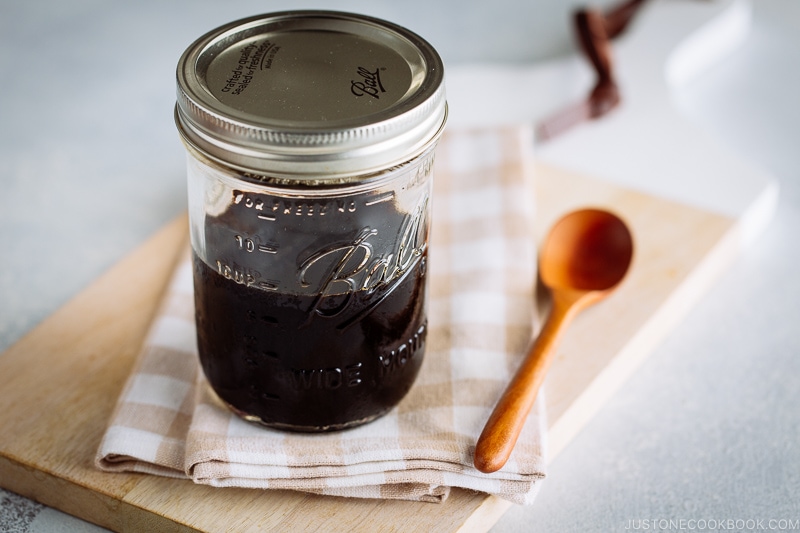
Teriyaki Sauce
I hope these easy Japanese recipes inspire you to make something new while using what you’ve already got. The goal here is to be flexible & creative—and know that you can still make it delicious. If you have any questions, leave a comment below and I’ll be ready to help
FAQs
What are some easy Japanese recipes you can make with pantry ingredients?
You can make many classic Japanese dishes using pantry staples like rice, noodles, eggs, tofu, canned fish, and basic condiments. Favorites include miso soup, onigiri, teriyaki chicken, Japanese curry, soba noodle salad, fried rice, and donburi rice bowls. These recipes are beginner-friendly and easy to adapt.
What Japanese meals are good for beginners to cook at home?
Great beginner Japanese meals include miso soup, chicken teriyaki, oyakodon (chicken and egg rice bowl), gyudon (beef bowl), fried rice, tamagoyaki, and simple noodle soups. These recipes use everyday ingredients, follow straightforward steps, and come together quickly for stress-free home cooking.
What pantry staples do you need for Japanese cooking?
A well-stocked Japanese pantry and fridge includes rice, noodles, eggs, tofu, frozen proteins, root vegetables, and six essential condiments such as soy sauce, miso, mirin, sake, rice vinegar, and sesame oil. Dried kombu, wakame, nori, and mushrooms are also helpful for quick, flavorful meals.
How can you cook Japanese food when you don’t have fresh ingredients?
Japanese pantry cooking is all about simplifying and improvising. You can use eggs, tofu, mushrooms, frozen vegetables, and canned fish as substitutes. Skip non-essential garnishes, follow recipes as flexible guides, and cook big batches that freeze well so you always have comforting meals ready.
More Popular Japanese Recipes You’ll Love
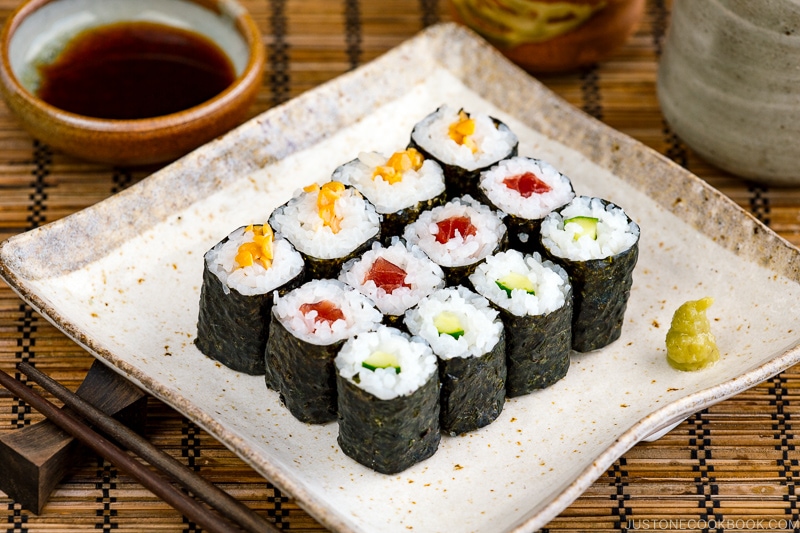
- Best Sushi Recipes to Make at Home
- 21 Most Popular Japanese Desserts
- 15 Best Matcha Recipes
- Nabemono: A Guide to Japanese Hot Pot
More Resources on Japanese Cooking
- Japanese Pantry Ingredients to Add to Your Shopping List
- Ingredient Substitutions for Japanese Cooking
- Japanese Grocery Stores around the World
- Essential Japanese Cooking Tips for Beginners
Editor’s Note: This post was originally published on March 22, 2020. It’s been updated on March 31, 2026.