Hinamatsuri (Japanese Girls’ Day) is a beloved spring festival celebrated on March 3rd to honor the health and happiness of young girls. Families display hina dolls and enjoy festive dishes like chirashi sushi, clam soup, and colorful sweets. In this roundup, I’m sharing the traditions and easy recipes to help you celebrate at home.
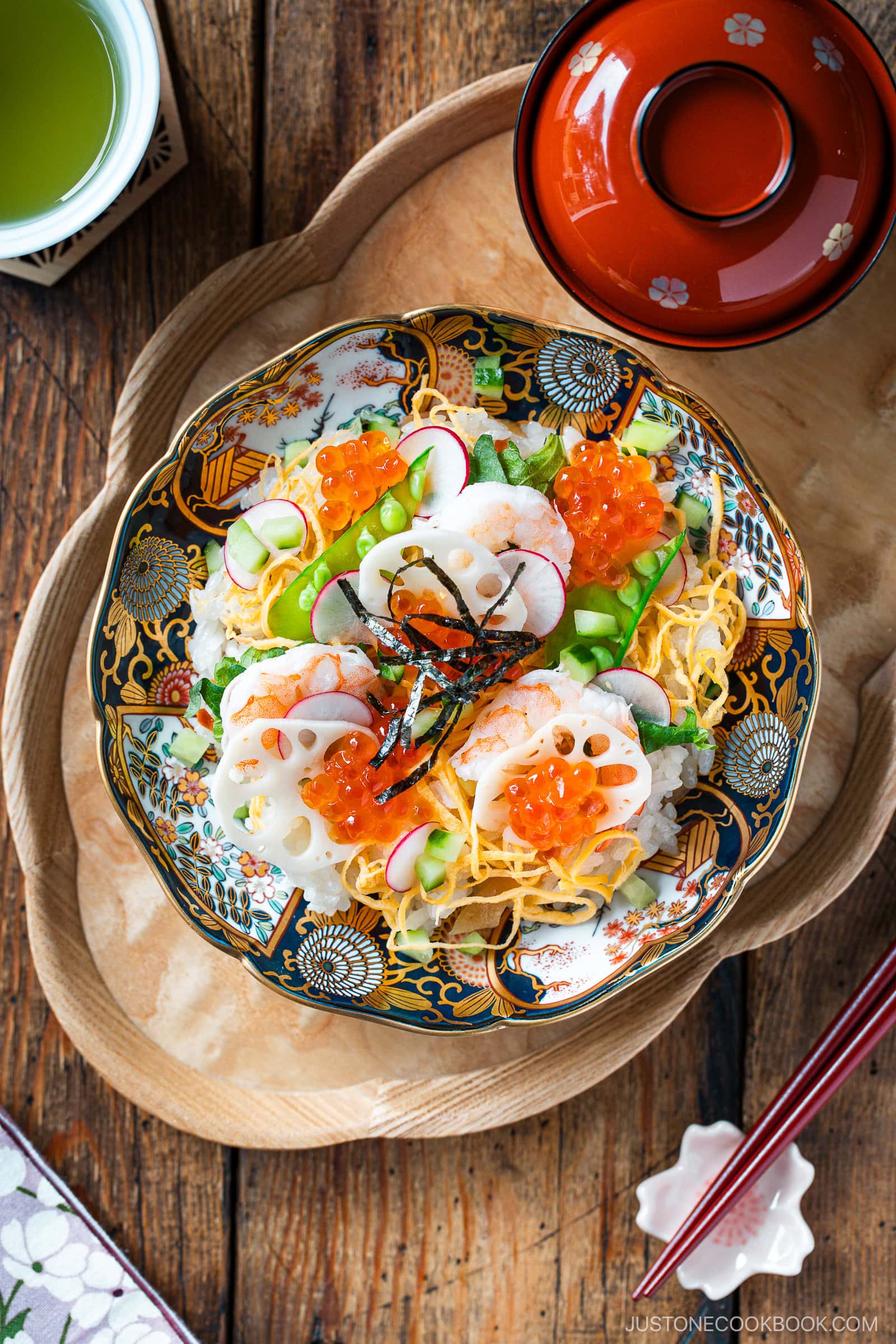
Every year on March 3rd, families across Japan celebrate Hinamatsuri (Girls’ Day) and pray for their daughters’ health and happiness. They display elegant hina dolls, prepare colorful festive dishes, and serve pink, green, and white treats that welcome the arrival of spring.
In this post, I’ll share the meaning behind Hinamatsuri traditions along with classic and easy recipes you can prepare to celebrate at home. Whether you grew up with this holiday or are discovering it for the first time, I hope these dishes bring warmth and joy to your table.
What is Hinamatsuri?
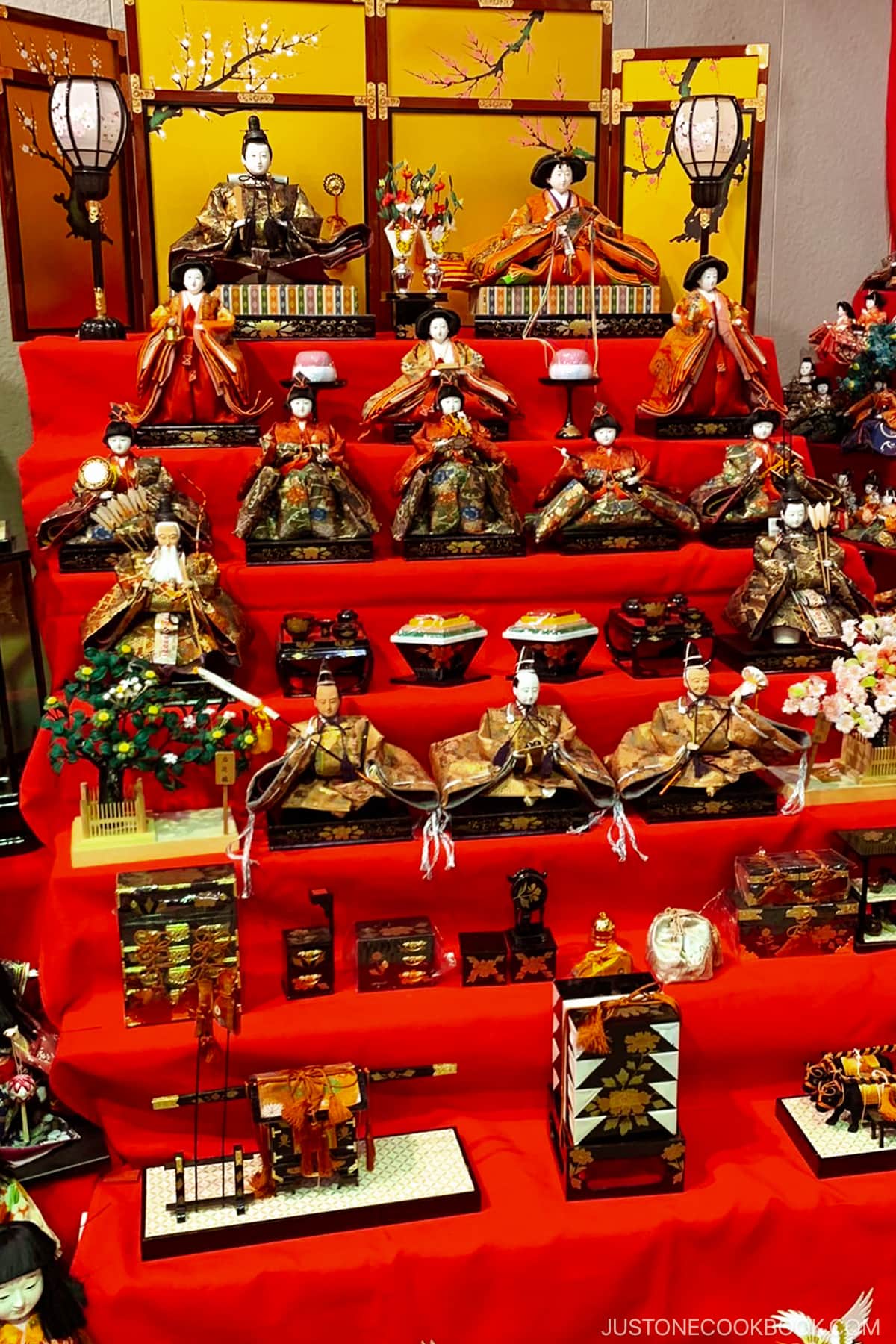
Families celebrate Hinamatsuri (雛祭り), or Japanese Girls’ Day—also known as the Doll Festival—each spring. The word “hina” describes the ornamental dolls they display, and “matsuri” means festival. Parents and grandparents pray for their daughters’ health, happiness, and a bright future.
Long ago, people named the festival Momo no Sekku (Peach Festival) after the peach blossoms that signal early spring. Today, families continue to celebrate Hinamatsuri every March 3rd as one of Japan’s five seasonal sekku festivals.
Soft spring colors—pink, green, and white—symbolize renewal and often appear in decorations, sweets, and celebratory dishes.
The Origin of Hinamatsuri
The tradition of Hinamatsuri started with an ancient Chinese purification ritual. People placed their misfortune onto small dolls and released them into rivers to carry bad luck away.
In Japan, families continued this practice as nagashi-bina (流し雛), floating paper dolls downstream. Gradually, these humble dolls transformed into the elegant hina ningyo displays we admire now.
How We Celebrate Hinamatsuri
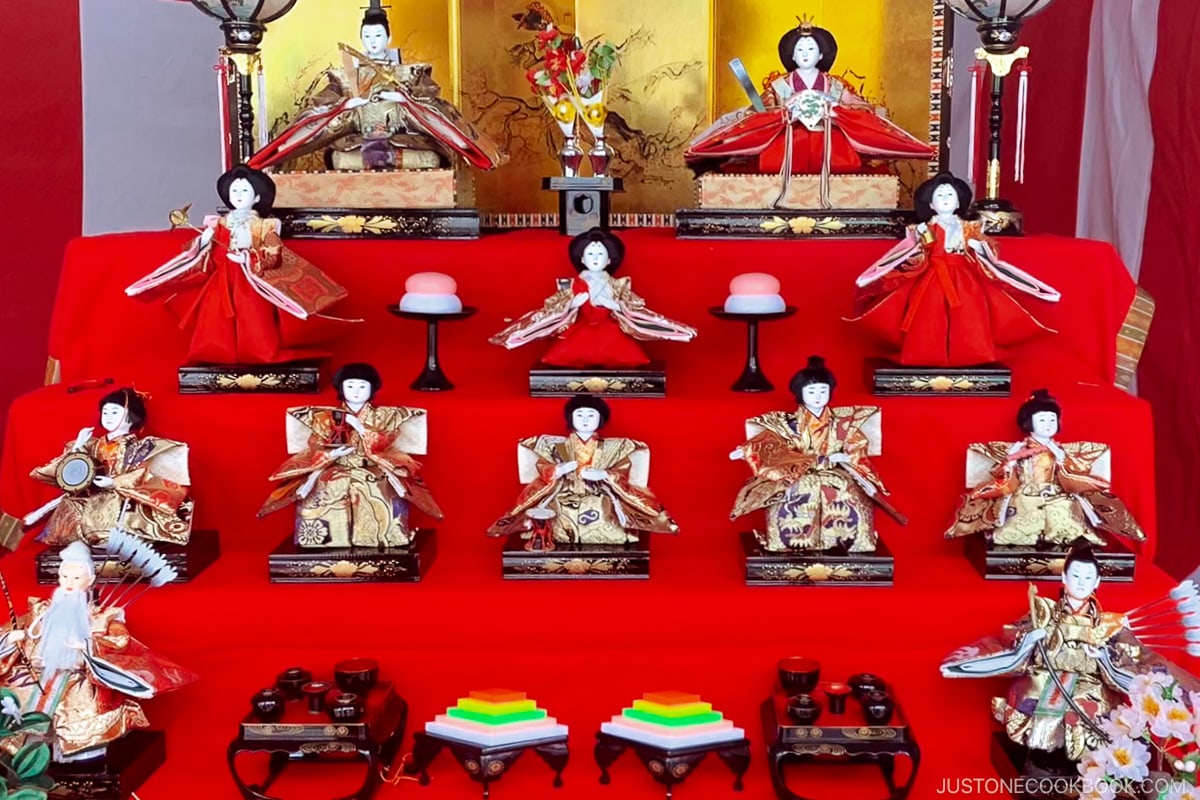
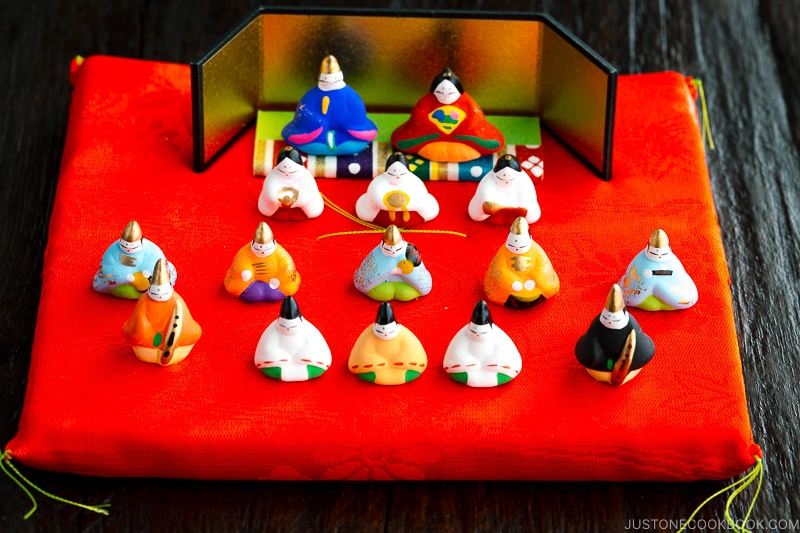
Families with daughters display hina dolls on tiered platforms covered in red cloth. When a baby girl is born, grandparents often gift her a set of hina ningyo, and families pass these treasured dolls down through generations.
Traditional displays represent the imperial court of the Heian period, with the emperor and empress seated at the top, followed by attendants and musicians below. These dolls symbolize wishes for prosperity, protection, and happiness.
I still display a miniature hina doll set gifted to me by a dear friend from Osaka many years ago. Decorating it each spring is a small but meaningful way to celebrate my daughter.
Traditional Hinamatsuri Foods
Food plays an essential role in Hinamatsuri traditions. Because the festival marks the arrival of spring, many dishes highlight seasonal ingredients and festive colors.
Here are some classic Hinamatsuri foods you’ll often see on Girls’ Day in Japan:
- Chirashi Sushi – Colorful scattered sushi topped with shrimp, lotus root, egg crepe, and salmon roe
- Hamaguri Ushiojiru (Clam Soup) – Clear soup made with clams symbolizing lifelong partnership
- Hishimochi – Layered pink, white, and green rice cakes
- Strawberry Daifuku – Soft mochi filled with sweet red bean paste and fresh strawberries
Below, you’ll find my favorite recipes to help you create a beautiful Hinamatsuri celebration at home.
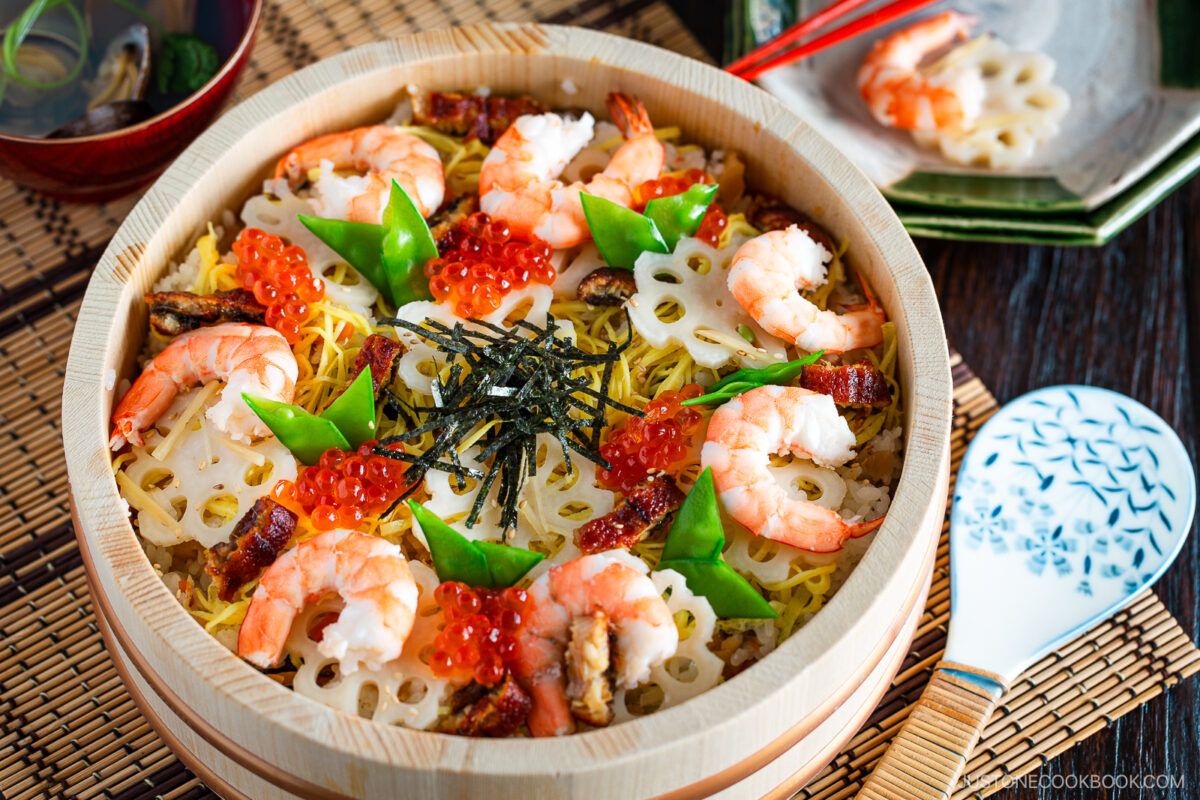
Chirashi Sushi
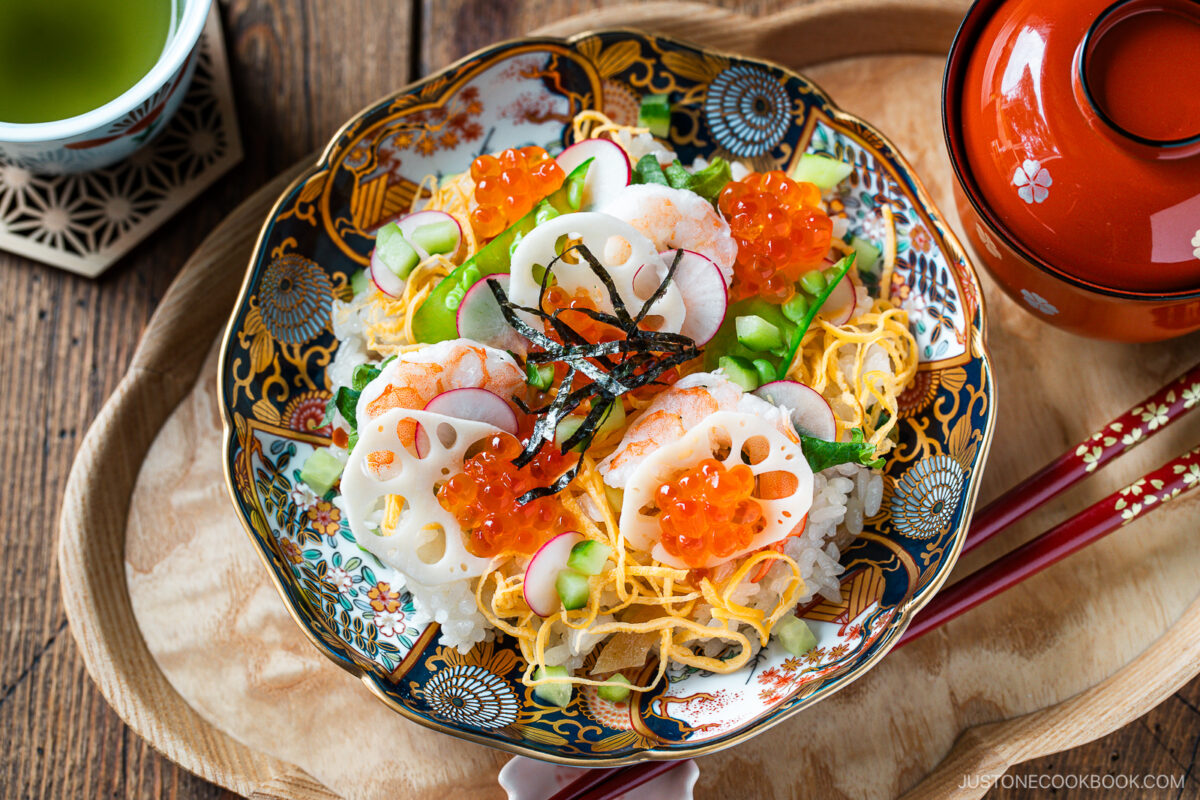
Quick and Easy Chirashi Sushi
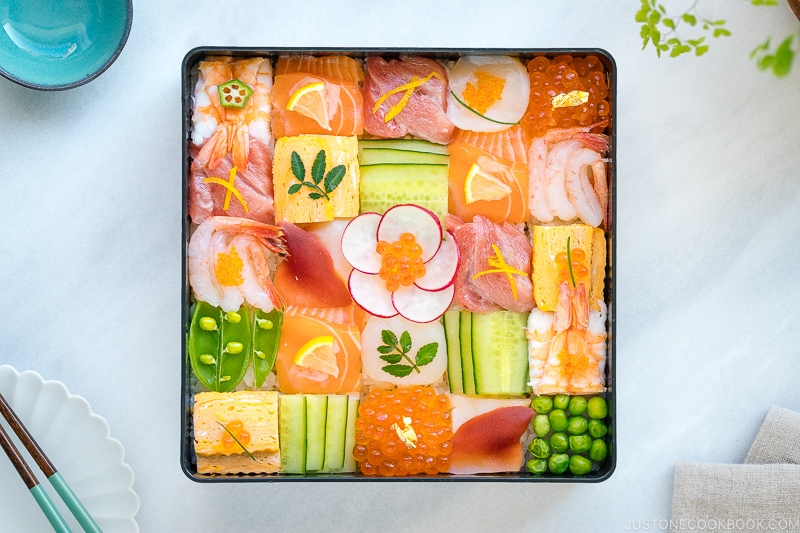
Mosaic Sushi
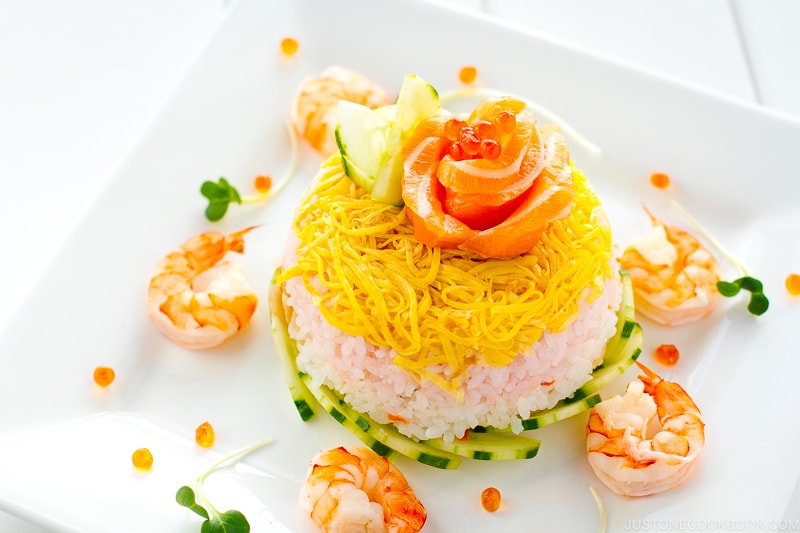
Chirashi Sushi Cake and Temari Sushi
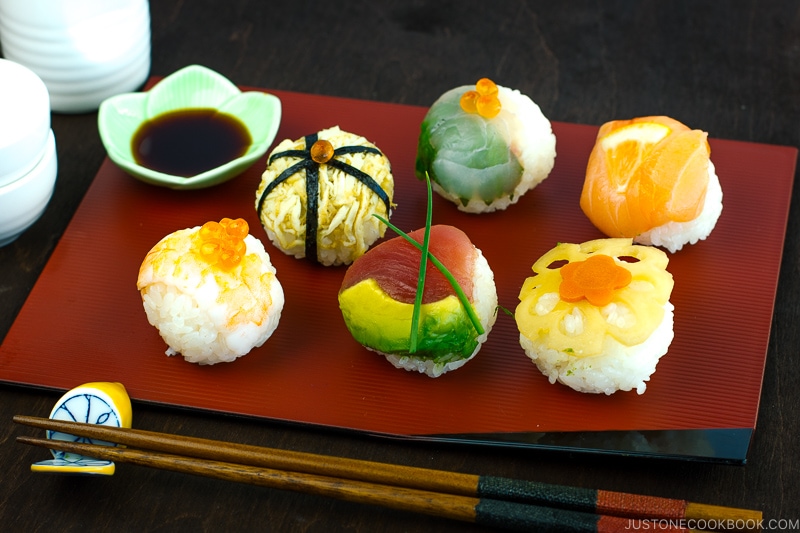
Temari Sushi
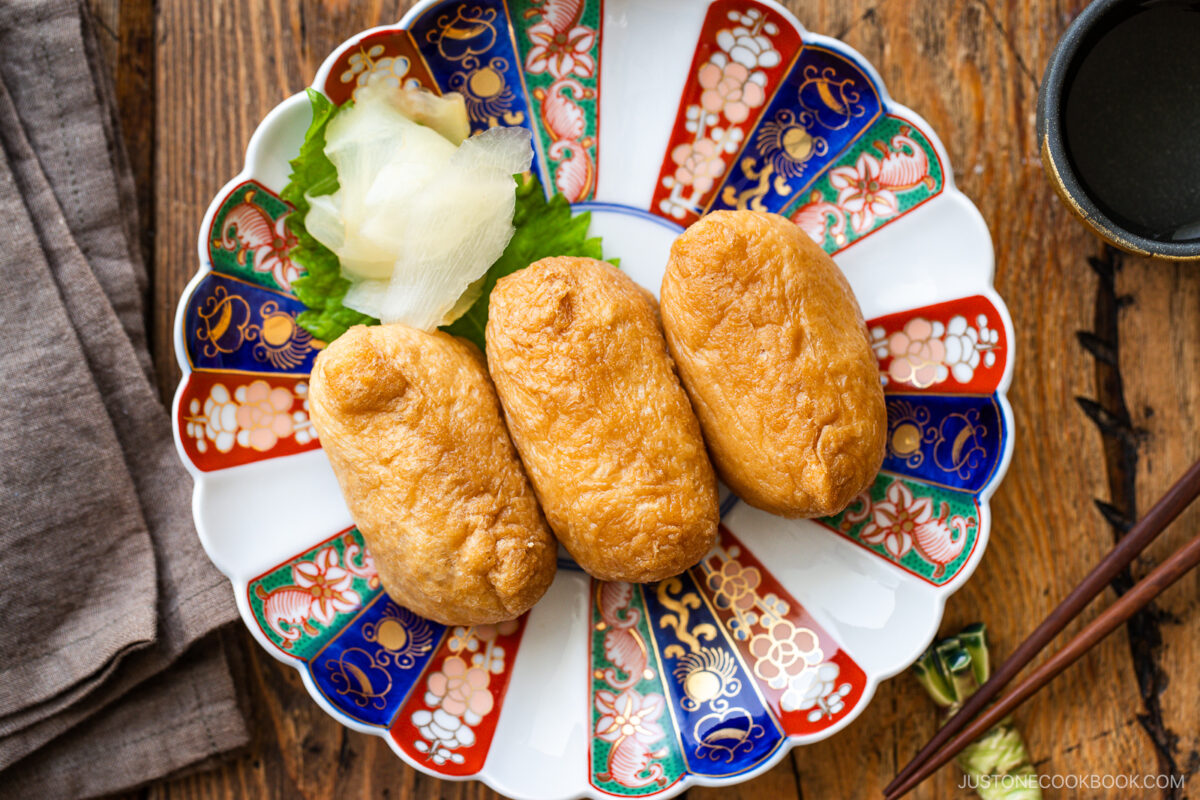
Inari Sushi
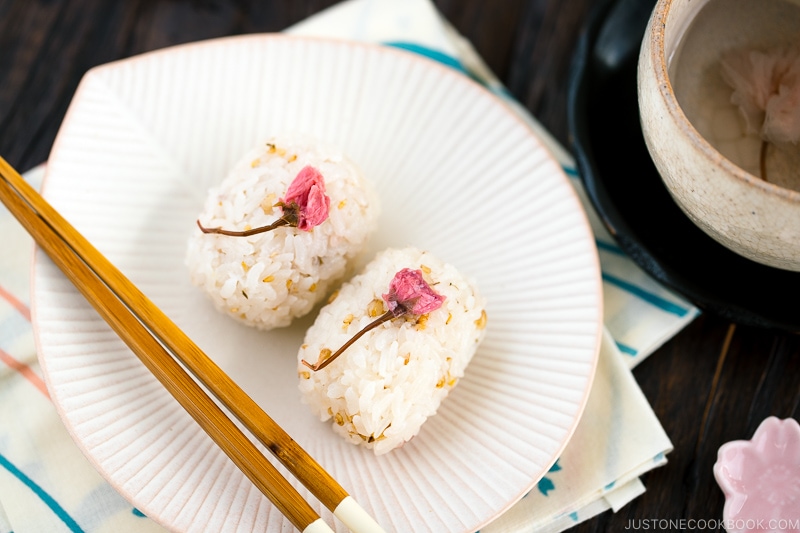
Cherry Blossom Rice Balls
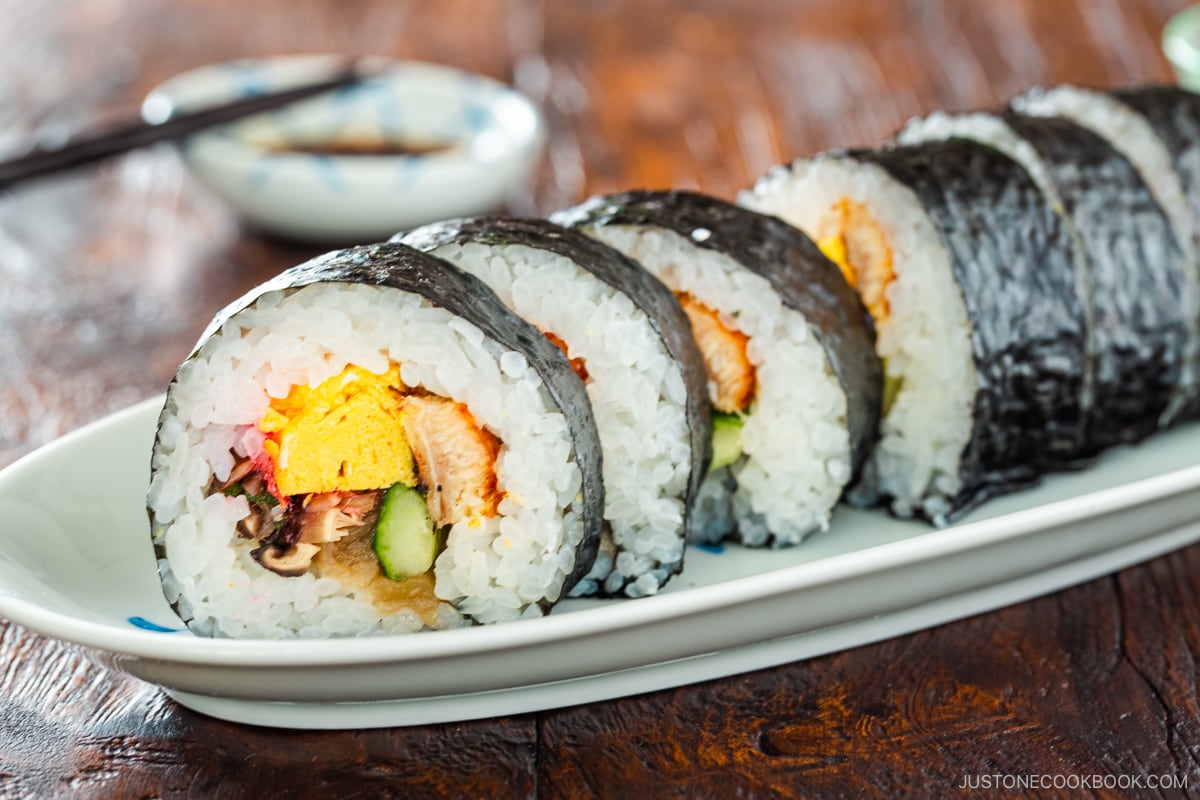
Futomaki (Maki Sushi / Ehomaki)
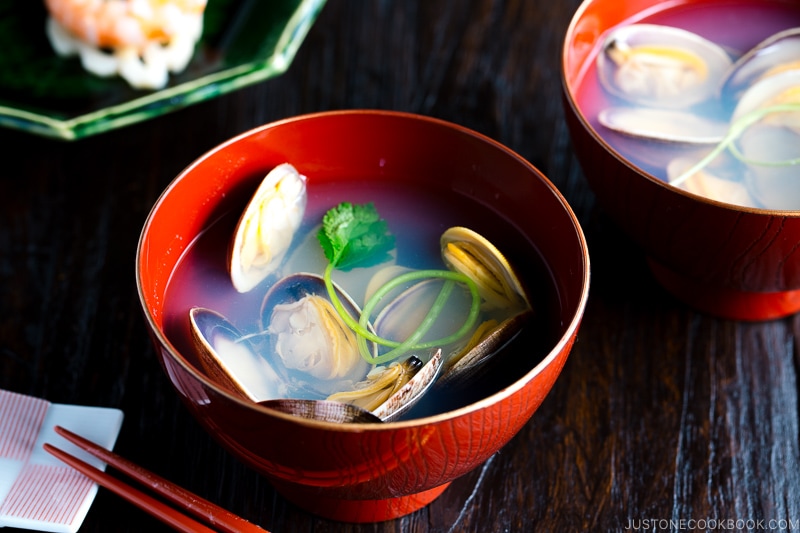
Japanese Clear Clam Soup (Ushiojiru)
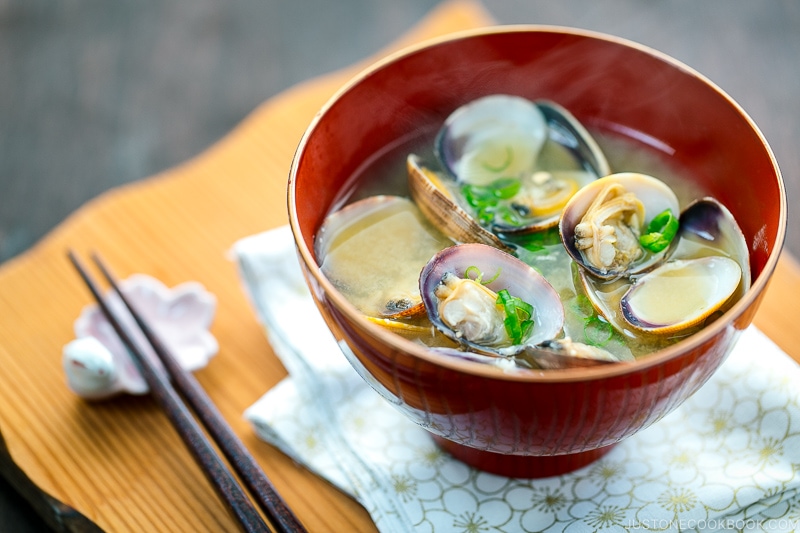
Japanese Clam Miso Soup
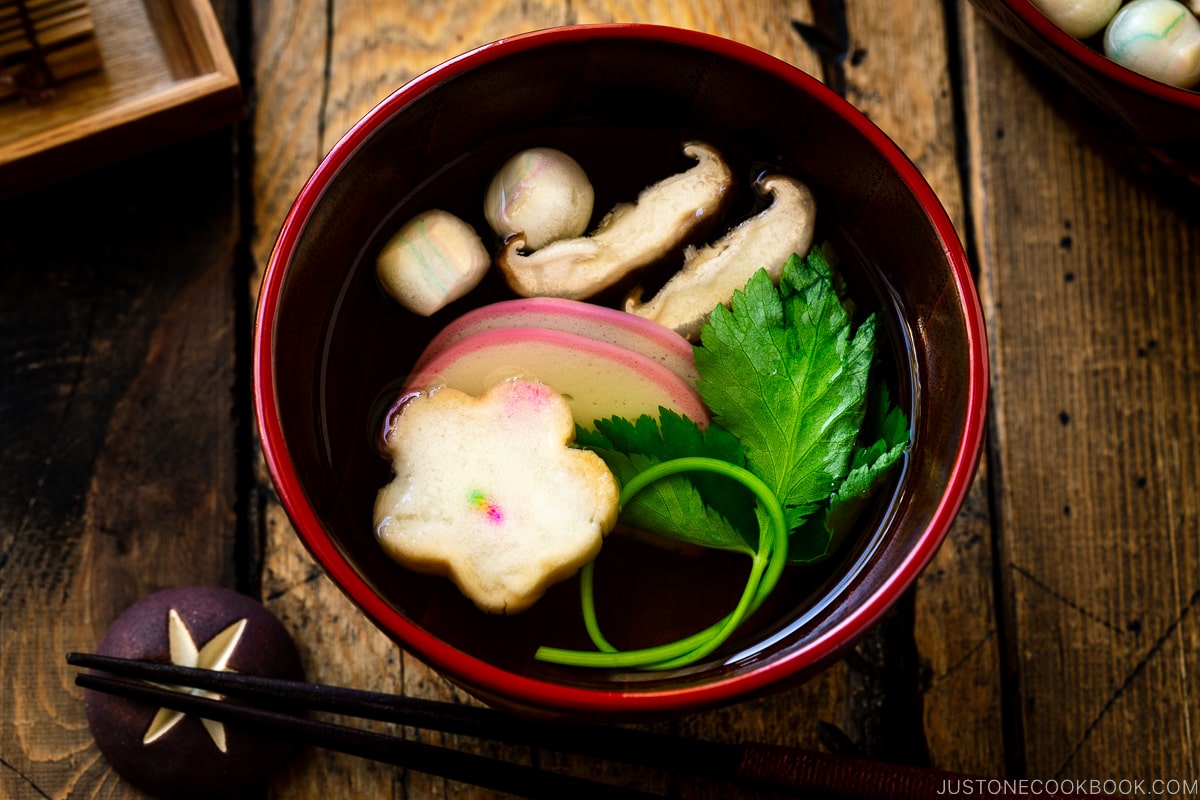
Japanese Clear Soup (Osumashi)
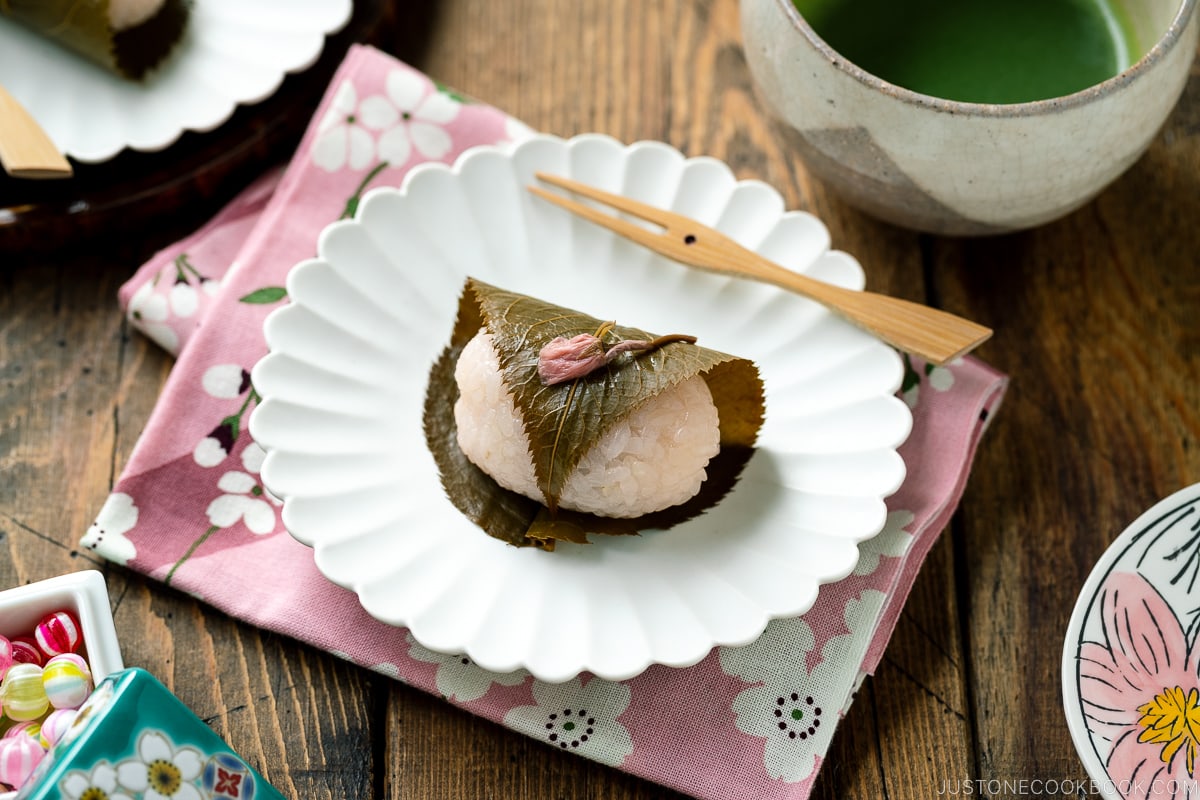
Sakura Mochi
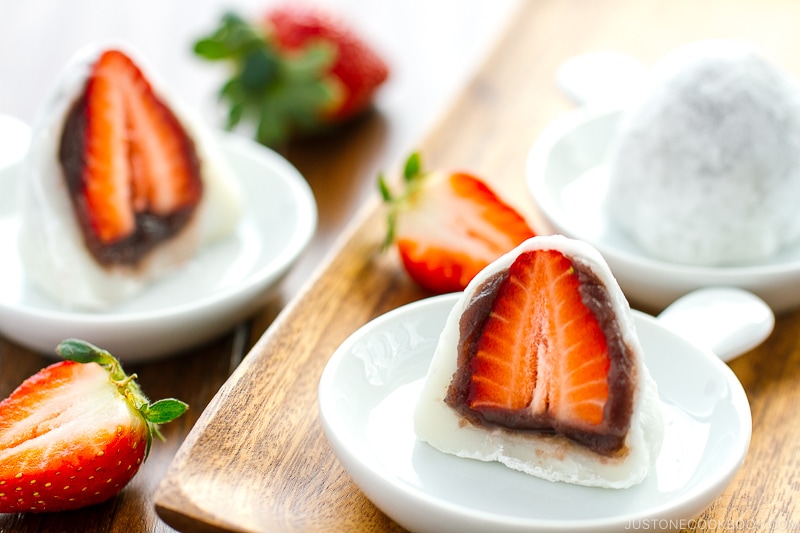
Strawberry Mochi (Ichigo Daifuku)
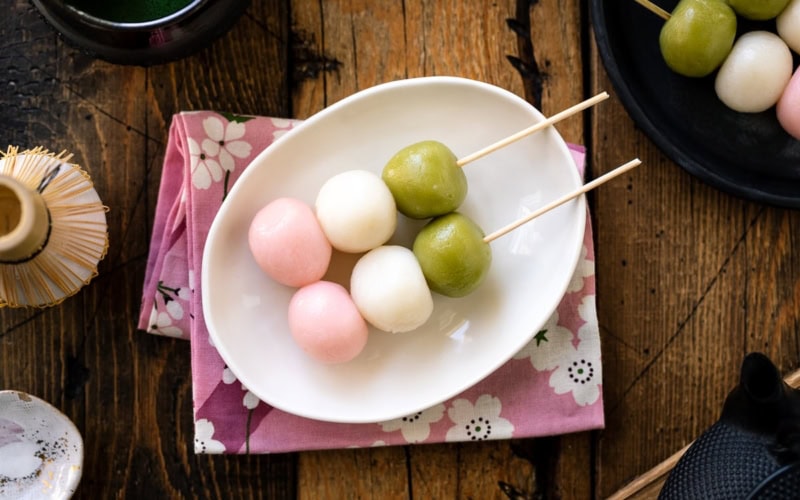
Hanami Dango
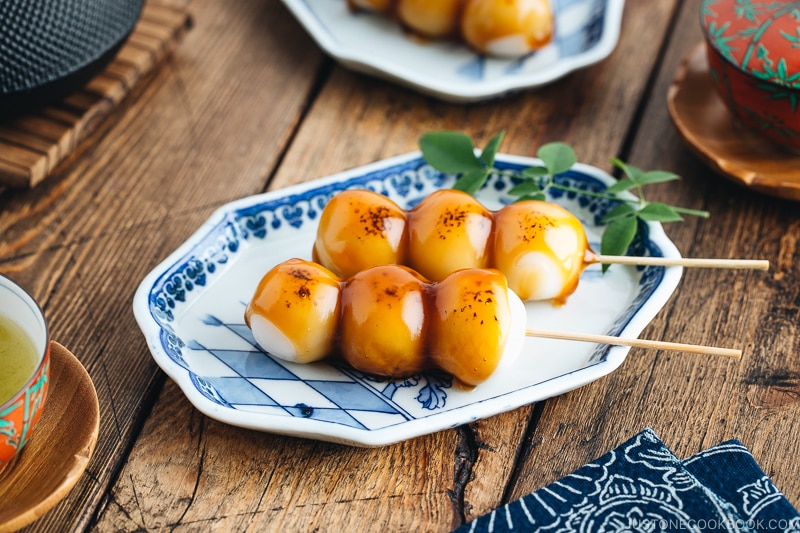
Mitarashi Dango
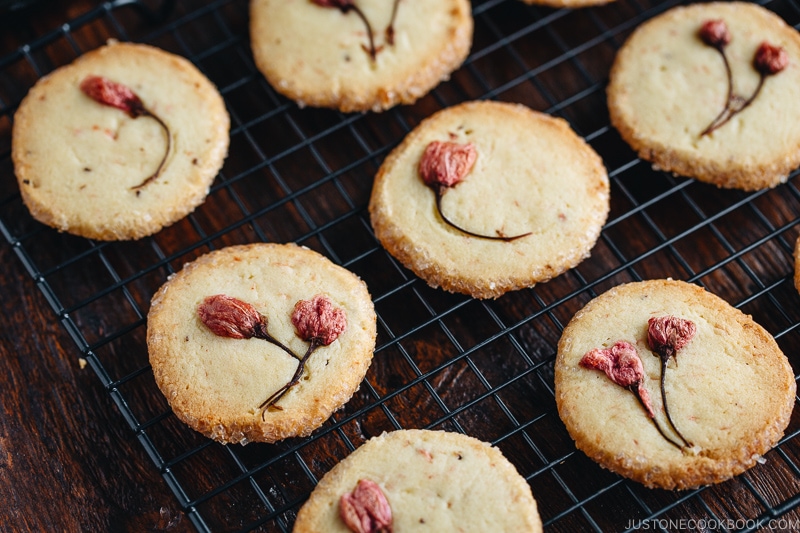
Cherry Blossom Cookies
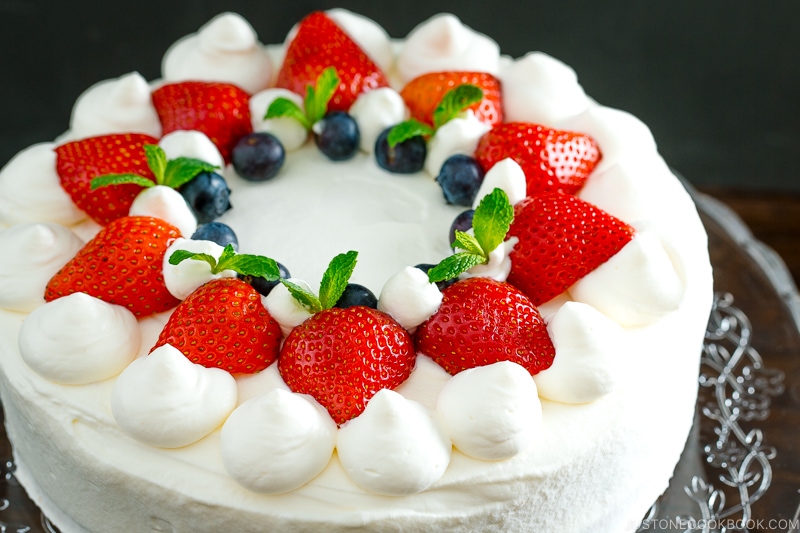
Japanese Strawberry Shortcake
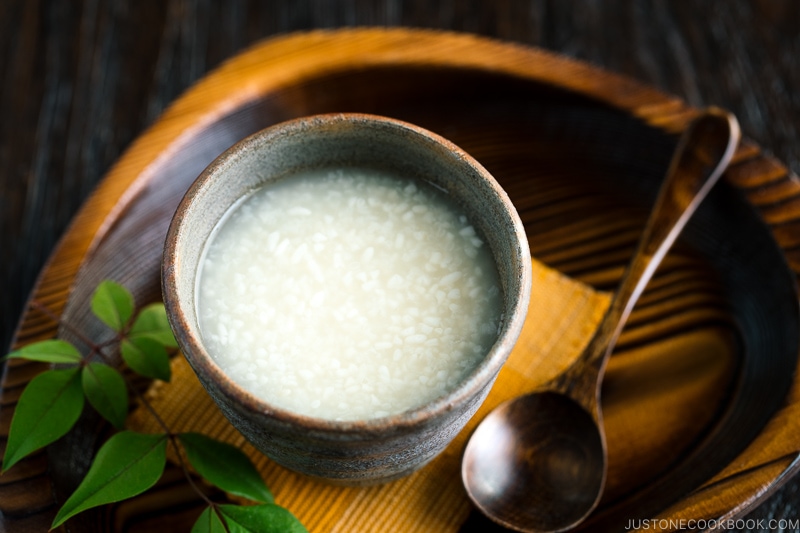
Amazake
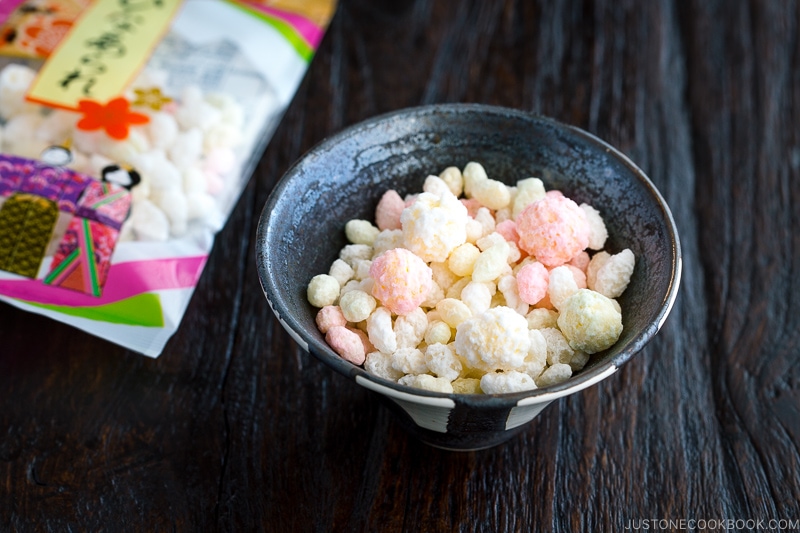
Hina Arare (Sweet Rice Crispy) & Hina Ame (Candy)
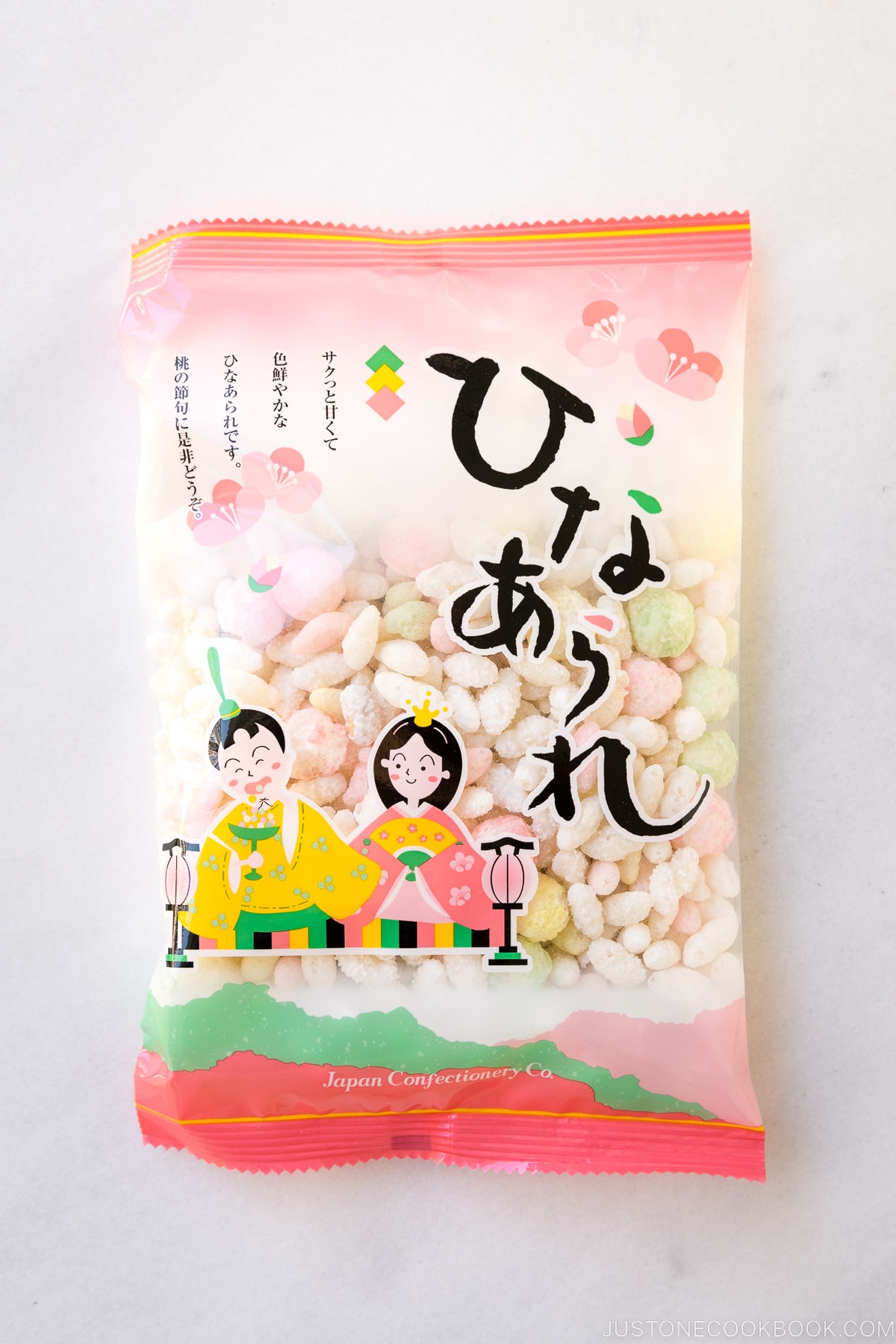
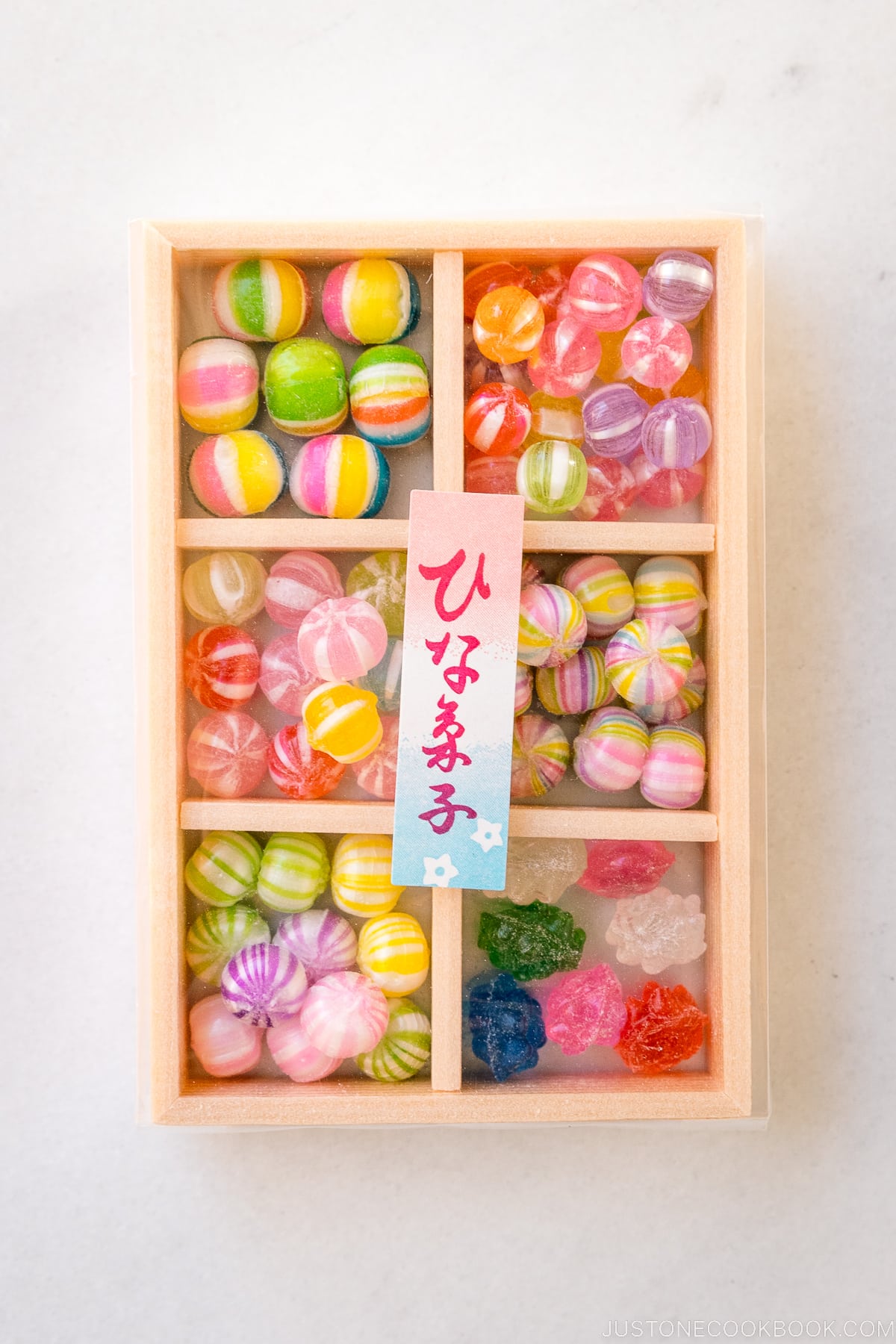
On Hinamatsuri, kids enjoy eating these rice crispy snacks (hina arare.) and candies (hina ame). A light sugar coating gives the rice crackers just enough sweetness while keeping their delicate, crisp texture.
You can purchase these colorful treats in Japanese grocery stores starting around February.
Why do people celebrate Hinamatsuri on March 3rd?
Japanese celebrate Hinamatsuri on March 3rd as one of Japan’s five seasonal festivals (sekku), which traditionally fall on odd-numbered dates. The date marks the Peach Festival (Momo no Sekku), symbolizing purification and the arrival of spring.
What do hina dolls represent?
Hina dolls represent the emperor, empress, and members of the imperial court from the Heian period. Families display the dolls to protect their daughters from misfortune and to wish for their health, happiness, and a bright future.
What food do people eat on Girls’ Day in Japan?
Traditional Hinamatsuri food includes Chirashi Sushi, clam soup (Hamaguri Ushiojiru), Hishimochi rice cakes, and seasonal sweets like Strawberry Daifuku. These dishes often feature pink, white, and green colors to reflect spring and renewal.
Is Hinamatsuri a public holiday in Japan?
No, Hinamatsuri is not an official national holiday. However, families across Japan—especially those with daughters—celebrate it widely and continue to honor it as an important cultural and seasonal tradition.
A Special Day for Girls
Hinamatsuri is a simple but meaningful celebration—one that brings family together around tradition, seasonal beauty, and comforting food. Even if you don’t have a hina doll display, preparing one festive dish is a lovely way to welcome spring and honor the spirit of Girls’ Day.
I hope these Hinamatsuri recipes inspire you to create your own celebration at home. If you try any of them, I’d love to hear how you marked the occasion. 💛 Please leave a comment below and share your favorite Girls’ Day dishes with our community.
Editor’s Note: This post was originally published on Mar 1, 2013. It’s was republished with new content on February 25, 2024, and updated with more helpful content on February 24, 2026.